
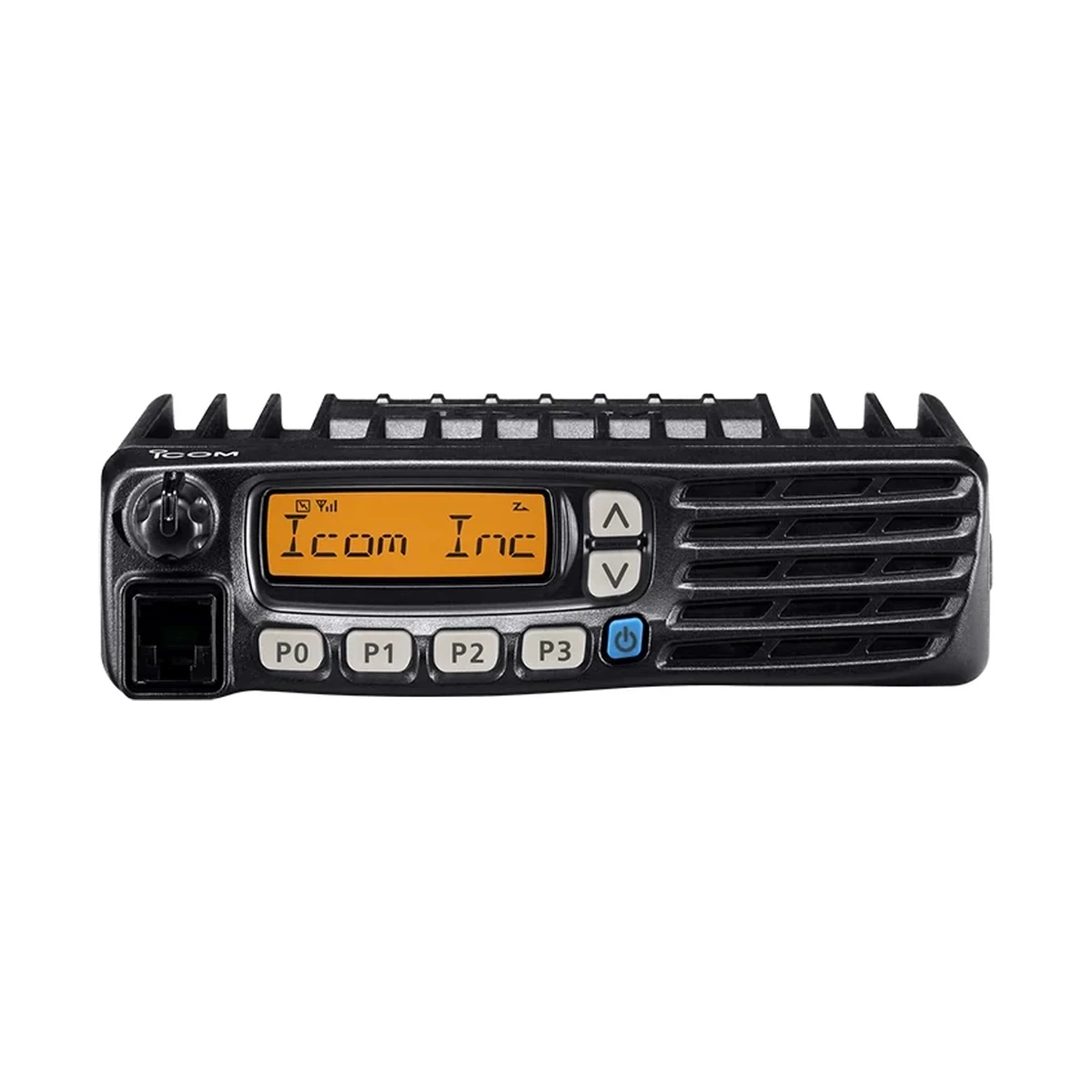
Who regulates this
The Wireless Planning and Coordination Wing, WPC, under India's Department of Telecommunications, is the authority responsible for licensing radio spectrum use and approving wireless equipment for sale and operation in India. Any two-way radio operating outside a specific license-free allocation is, in principle, subject to WPC's licensing framework, and understanding the two separate approvals involved is the first step before specifying equipment for a fleet.
Two separate approvals, not one
The first is Equipment Type Approval, ETA, granted to a specific device model, confirming that model meets India's technical and RF standards and does not interfere with other spectrum users. The second is a possession or operating license, issued to the operator, authorising them to actually use ETA-approved equipment on specific frequencies. A device holding ETA is not, by itself, a licence for anyone to operate it; the operator still needs their own authorisation, in the same way a type-approved car does not exempt its owner from needing a driving licence.
The license-free exception
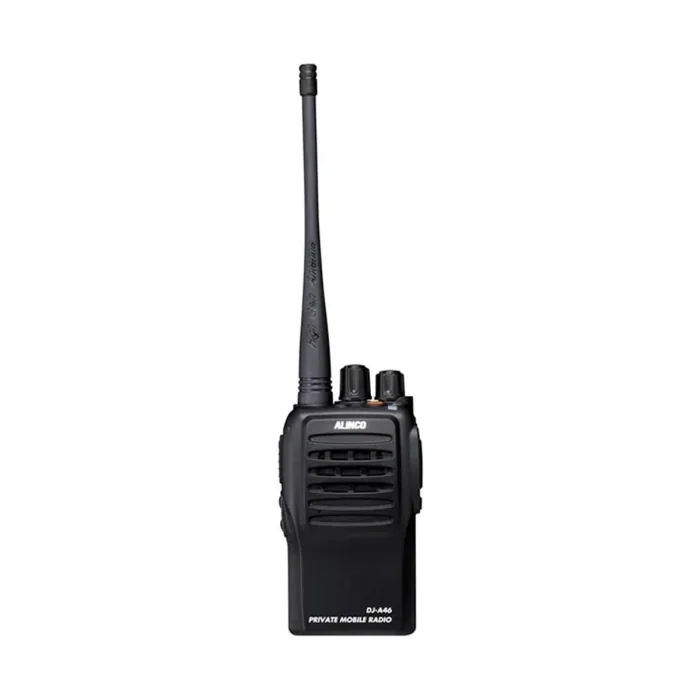
India permits license-free operation on a specific narrow allocation: the 446 to 446.2 MHz band, commonly known as PMR446, restricted to a maximum radiated power of 0.5 W, and only for WPC-certified devices built to operate within that band and power limit. The Alinco DJ-A46 is built specifically for this allocation, an 8-channel radio with a maximum radiated power of 500 mW operating in the PMR446 range, which is precisely why it needs no user license to operate as delivered. This is covered in more depth in the dedicated PMR446 article elsewhere in this series.
Where licensed equipment applies
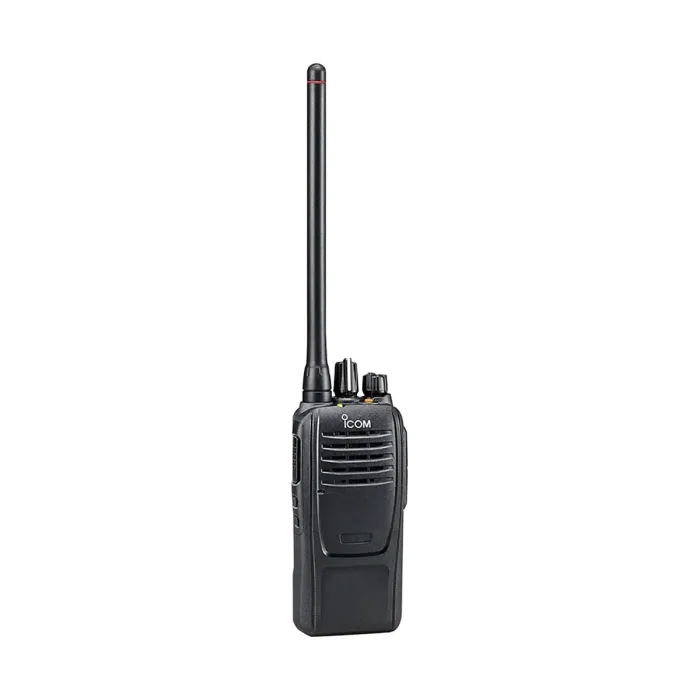
Everything outside that narrow license-free allocation, essentially every professional VHF and UHF handheld, mobile and repeater covered elsewhere in this series, including the Icom and Motorola commercial ranges, falls under the standard ETA-plus-user-license framework. This is not a light-duty formality reserved for large fleets; a single handheld radio used commercially on a general VHF or UHF business frequency is, in principle, equipment requiring both an approved device and a licensed operator.
What the process generally involves
- Selecting equipment that already holds current WPC Equipment Type Approval, avoiding the separate burden of seeking approval for an untested device.
- Applying to WPC for the appropriate user or possession license, which requires supporting documentation, typically including the equipment's technical specifications, business registration details and an authorisation letter.
- Frequency allocation or coordination, ensuring the specific channels the fleet will use do not conflict with other licensed users in the same area.
- Renewal on whatever schedule the issued license specifies, since a license of this kind is not typically a one-time, permanent authorisation.
Requirements, fees and documentation are set and periodically revised by WPC, so confirm the current process directly with WPC or the Department of Telecommunications before budgeting a fleet rollout, rather than relying on a fixed checklist that may have changed since publication.
Where ASPL fits into this
ASPL supplies handheld, mobile and repeater two-way radio equipment across Icom, Motorola and Alinco in India, and provides programming and licensing guidance as part of a fleet rollout, helping match the equipment to the frequencies and license category an operation actually needs. The licensing itself is issued by WPC directly to the operator, and this article is not a substitute for confirming your specific requirements with them before committing to a purchase.