
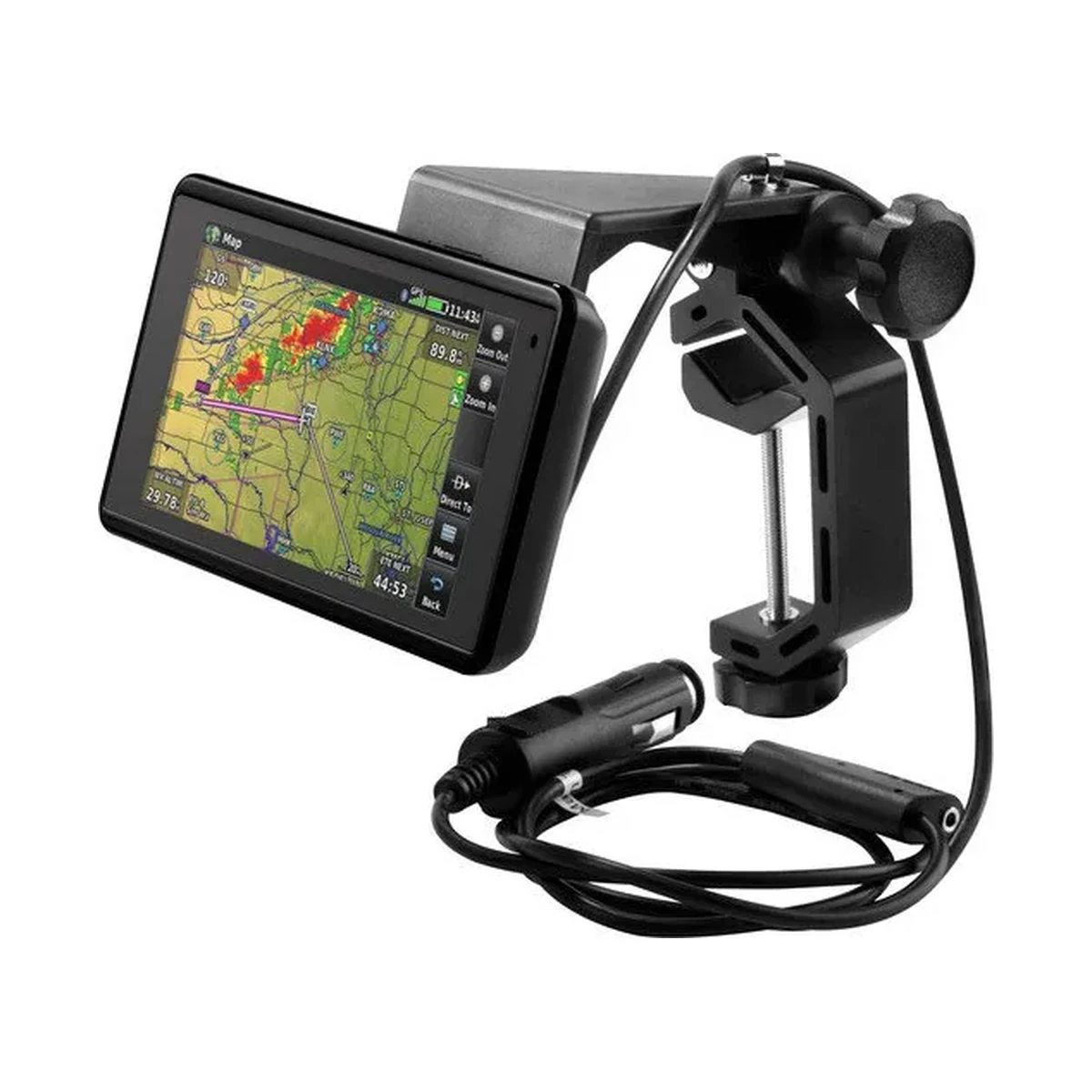
Two portable GPS units can share the same screen size, the same touchscreen interface and the same general shape, and still be specified for different flying. Garmin's Aera 660 is specified for VFR route data. The Aera 760 is specified for VFR/IFR route data. That single line differentiates what each unit is genuinely built to support, and it is worth understanding what it actually means rather than treating it as a marketing distinction.
What VFR route data covers
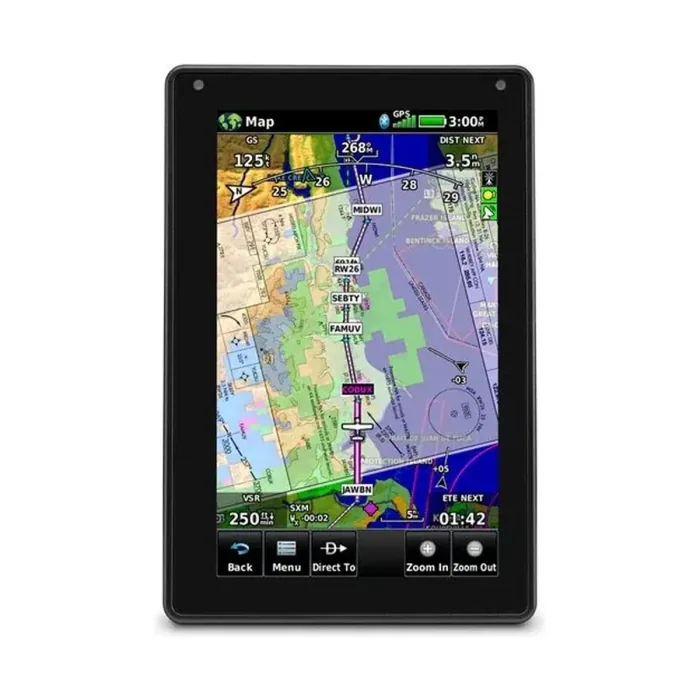
A VFR-specified navigator holds the airspace, airport, waypoint and general navigation information a pilot needs for visual flight: direct-to navigation, airport information, airspace boundaries and the terrain and obstacle data relevant to staying clear of both under visual flight rules. It is a complete and capable tool for the flying it is built for, and the great majority of general aviation flying in most fleets is exactly this kind of flying.
What VFR/IFR route data adds
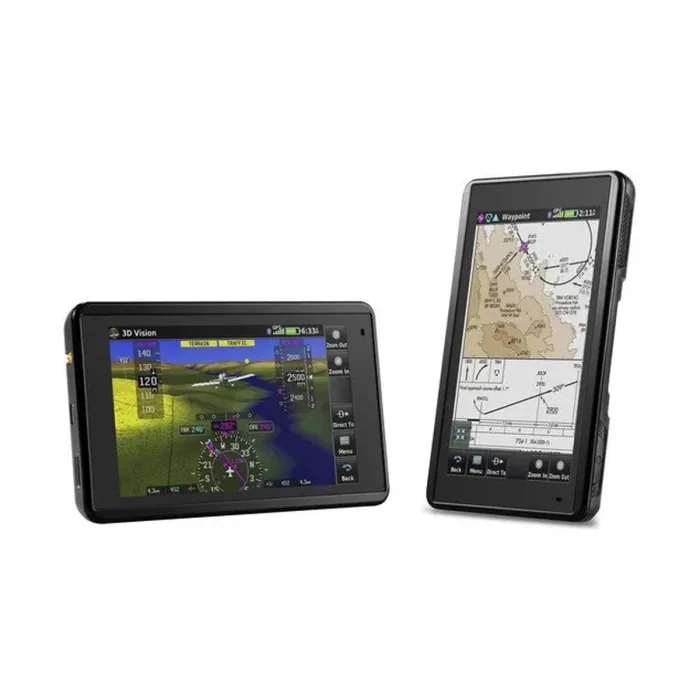
A unit specified for VFR/IFR additionally carries the procedural data instrument flying depends on: published instrument approach procedures, departure and arrival procedures, airway structure and the navigation database content that lets a pilot load and fly a procedure rather than navigate direct-to a point and interpret the rest manually. This is not simply more data in the same category; it is a different category of data entirely, built around procedures that have to be flown in a specific, published sequence with specific altitude and course constraints.
Why a VFR-only unit cannot simply be used for IFR
The gap is not a matter of a pilot working around missing convenience features. An instrument approach procedure has to be flown to the data as published, and a unit that does not carry procedural IFR data has no way to present it correctly even if a pilot tried to construct the approach manually from waypoints. This is precisely why the distinction is specified at the product level rather than left to the pilot's judgement in the moment.
Certification is a separate question again
It is worth being clear about a related point that VFR/IFR route data does not by itself answer: whether a specific portable unit is approved as the aircraft's sole means of IFR navigation is a certification question, separate from what data the unit holds. Portable GPS units of this kind are generally supplemental navigation tools, used alongside certified panel avionics rather than in place of them, and an operator relying on one for IFR backup or situational awareness should confirm what role it is actually approved to play in their specific aircraft and operation, rather than assuming VFR/IFR route data alone settles the question.
Choosing based on how you actually fly
- Exclusively VFR flying, with no instrument rating or intention to fly one: the Aera 660's VFR route data is a complete match, and there is no functional reason to pay for IFR data that will never be used.
- Instrument-rated and flying IFR, even occasionally: VFR/IFR route data on the Aera 760 is not an upgrade so much as a baseline requirement for the unit to be useful on those flights at all.
- Working toward an instrument rating: worth buying VFR/IFR capability ahead of the rating being current, since the unit becomes immediately useful for procedure familiarisation once training begins.
ASPL supplies both the Aera 660 and Aera 760 in India, along with the navigation database subscriptions that keep either unit's route data current against the 28-day AIRAC cycle.