
Why more watts does not mean proportionally more range
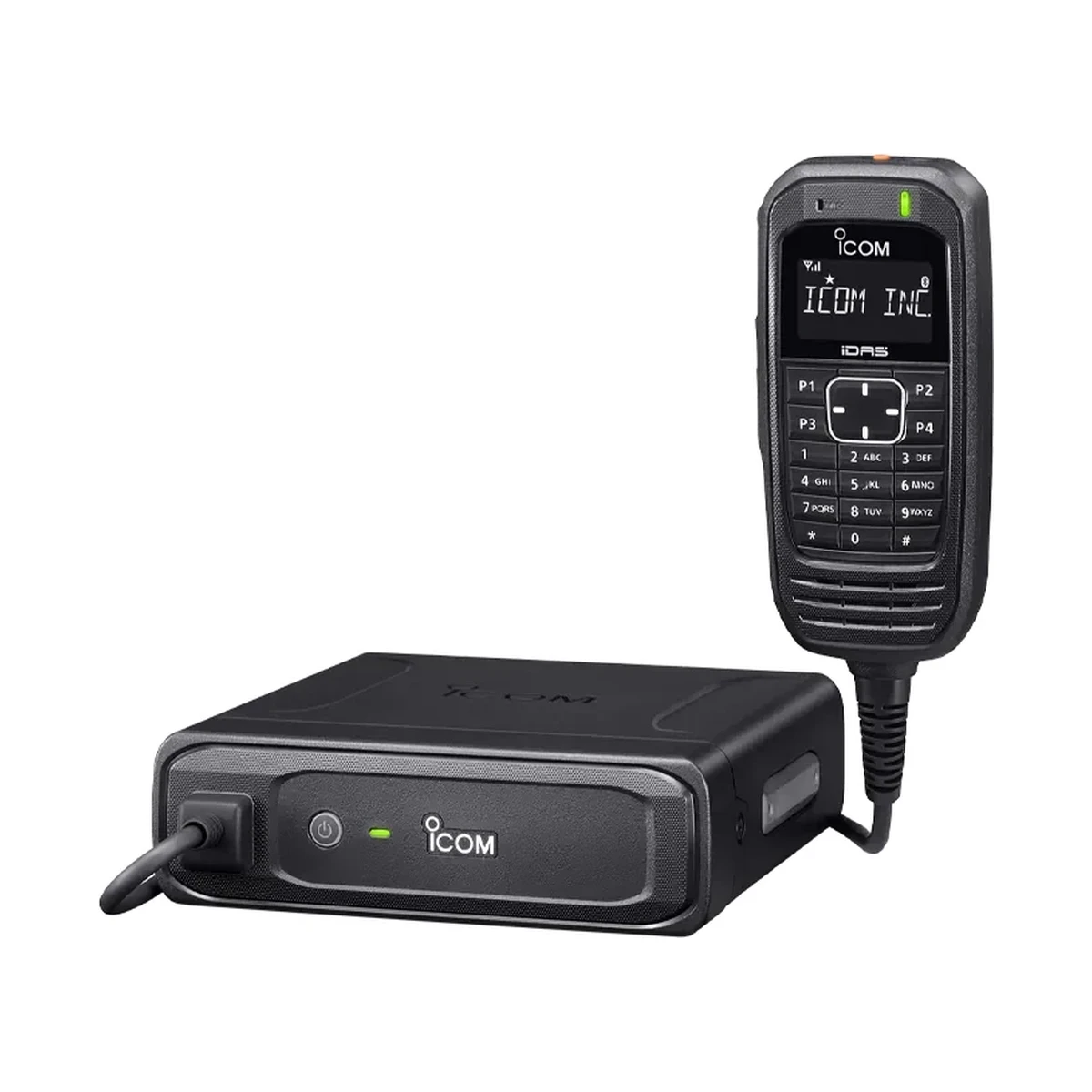
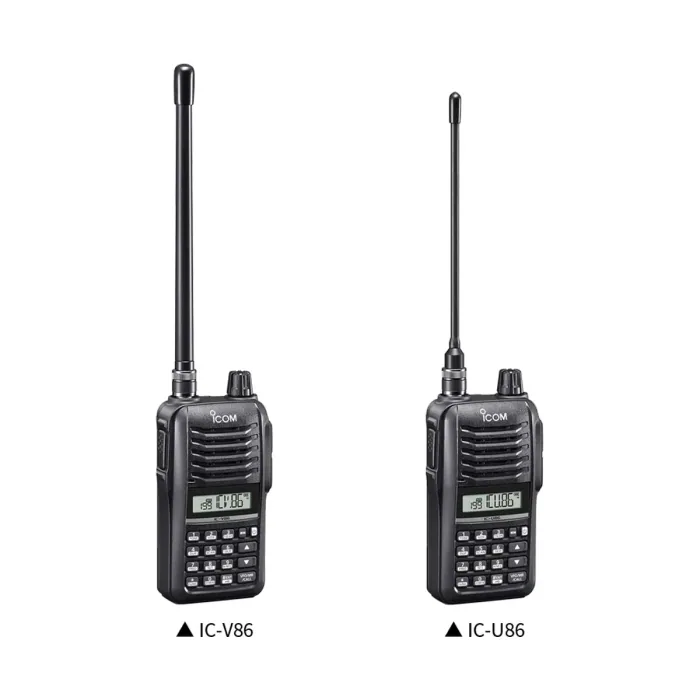
It is intuitive to assume a 50 W mobile radio such as the IC-F5330D reaches ten times further than a 5 W handheld such as the IC-V86. In practice the relationship is far weaker than that, because VHF and UHF radio propagation is dominated by line of sight, and radio signal strength falls off with distance in a way that is not linear with transmit power. Doubling output power produces a comparatively modest increase in range under otherwise identical conditions, not a doubling of it.
Antenna height: the factor that matters most
Because VHF and UHF propagation is fundamentally line-of-sight, the height of both the transmitting and receiving antenna above the surrounding terrain does more for effective range than transmit power. This is the entire logic behind a repeater, covered in more depth elsewhere in this series: a repeater sited on a rooftop or tower extends coverage dramatically not primarily because of its 50 W output, but because its antenna sits far higher than any handheld or vehicle antenna ever could. A mobile radio's taller, better-positioned vehicle antenna is a genuine range advantage over a handheld's shorter antenna carried at chest height, independent of the mobile radio's higher power output.
Frequency band: VHF versus UHF
VHF, roughly 136 to 174 MHz on the equipment covered in this series, propagates further over open, unobstructed terrain and around gentle terrain features than UHF does, making it generally the stronger choice outdoors, in open country, across water or over flat ground. UHF, roughly 400 to 520 MHz, has a shorter wavelength that penetrates buildings, walls and structure more effectively, which is why it is generally preferred indoors, in urban environments and on industrial sites dense with structure. Neither band is universally superior; the right choice follows from where the radio will actually be used.
Terrain and obstructions
Hills, large buildings, dense vegetation and even weather can all attenuate or block VHF and UHF signal, and no amount of transmit power fully compensates for a genuine line-of-sight obstruction directly between two radios. A valley, a large steel-framed warehouse, or simply the curvature of the earth over long flat distances all impose hard limits that are better addressed by repositioning, adding a repeater, or accepting a coverage gap than by chasing more output power from the radios themselves.
Analog versus digital at the range boundary
As covered in more depth elsewhere in this series, analog and digital behave differently specifically at the edge of usable range: analog degrades gradually, remaining marginally intelligible further out, while digital holds clean audio right up to its decode threshold and then drops out more abruptly. This matters when planning coverage margins, since a digital system generally needs to be engineered with more margin against its true edge of range than an analog system, which has traditionally tolerated operating right at its fringe.
What actually improves range in practice
- Raise the antenna. On a fixed installation or repeater site, height above surrounding obstructions delivers more range improvement than almost any other single change.
- Choose the right band for the environment: UHF for structure-dense indoor sites, VHF for open outdoor terrain.
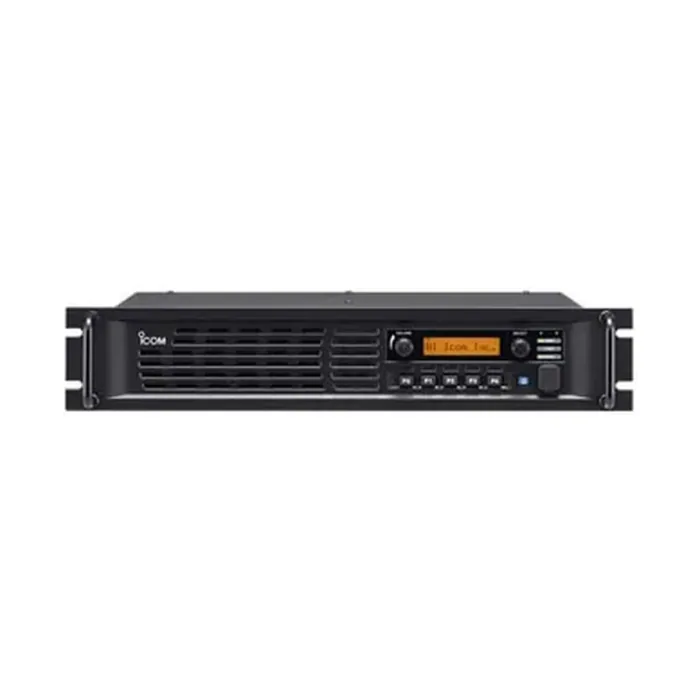
- Add a repeater rather than chasing higher handheld power when coverage gaps are the real problem, since a repeater's elevated antenna addresses the actual limiting factor.
- Use a mobile radio, not just a more powerful handheld, in vehicles that need to maintain contact from the edges of a large site, since the combination of higher power and a proper vehicle antenna genuinely helps.
- Accept that some terrain and structure will always create dead spots no radio, at any power, fully overcomes without repositioning or additional infrastructure.
ASPL supplies handhelds, mobiles and repeaters across VHF and UHF, and can help diagnose whether a coverage problem actually calls for more power, a different band, better antenna siting, or a repeater, rather than defaulting to the most expensive fix.