
Navigation before turn-by-turn
Before dedicated turn-by-turn automotive GPS units, and long before smartphone navigation apps made the capability universal and largely invisible, driving to an unfamiliar destination in India, as everywhere else, meant paper maps, printed directions, or asking along the way. A device that could calculate a route and issue spoken, step-by-step directions in real time, recalculating automatically if a wrong turn was taken, represented a genuinely new category of consumer technology rather than an incremental improvement on what existed before.
ASPL's 2006 introduction
ASPL introduced turn-by-turn automotive navigation technology to India in 2006, extending the GPS expertise built through its 1998 market introduction and subsequent aviation and marine work, covered elsewhere in this series, into the automotive and consumer navigation category. This predates the launch of the iPhone by a year and the widespread availability of smartphone-based turn-by-turn navigation by several more, situating this squarely in the era when dedicated navigation hardware, not a phone app, was how the capability reached consumers.
Why introducing a genuinely new product category is different from selling an established one
Bringing a product category to a market for the first time involves work well beyond straightforward equipment sales: educating a market unfamiliar with the underlying capability, establishing distribution and support for a genuinely new use case, and building the retail and service relationships a consumer product category depends on, none of which apply in the same way to selling an already-established, well-understood product. This 2006 milestone represents that kind of category-introduction work, distinct from ASPL's more institutional and specialist aviation, marine and defence work covered elsewhere in this series.
How this connects to ASPL's broader GPS history
The technical and market groundwork from introducing GPS itself to India in 1998, covered in the dedicated article elsewhere in this series, gave ASPL a foundation to extend into a genuinely different product category and customer base by 2006, moving from specialist maritime and aviation applications into mainstream consumer automotive navigation. This breadth, spanning specialist defence and commercial applications through to consumer products, is part of what distinguishes ASPL's overall history from a supplier focused narrowly on one equipment category.
Where this consumer navigation lineage sits today
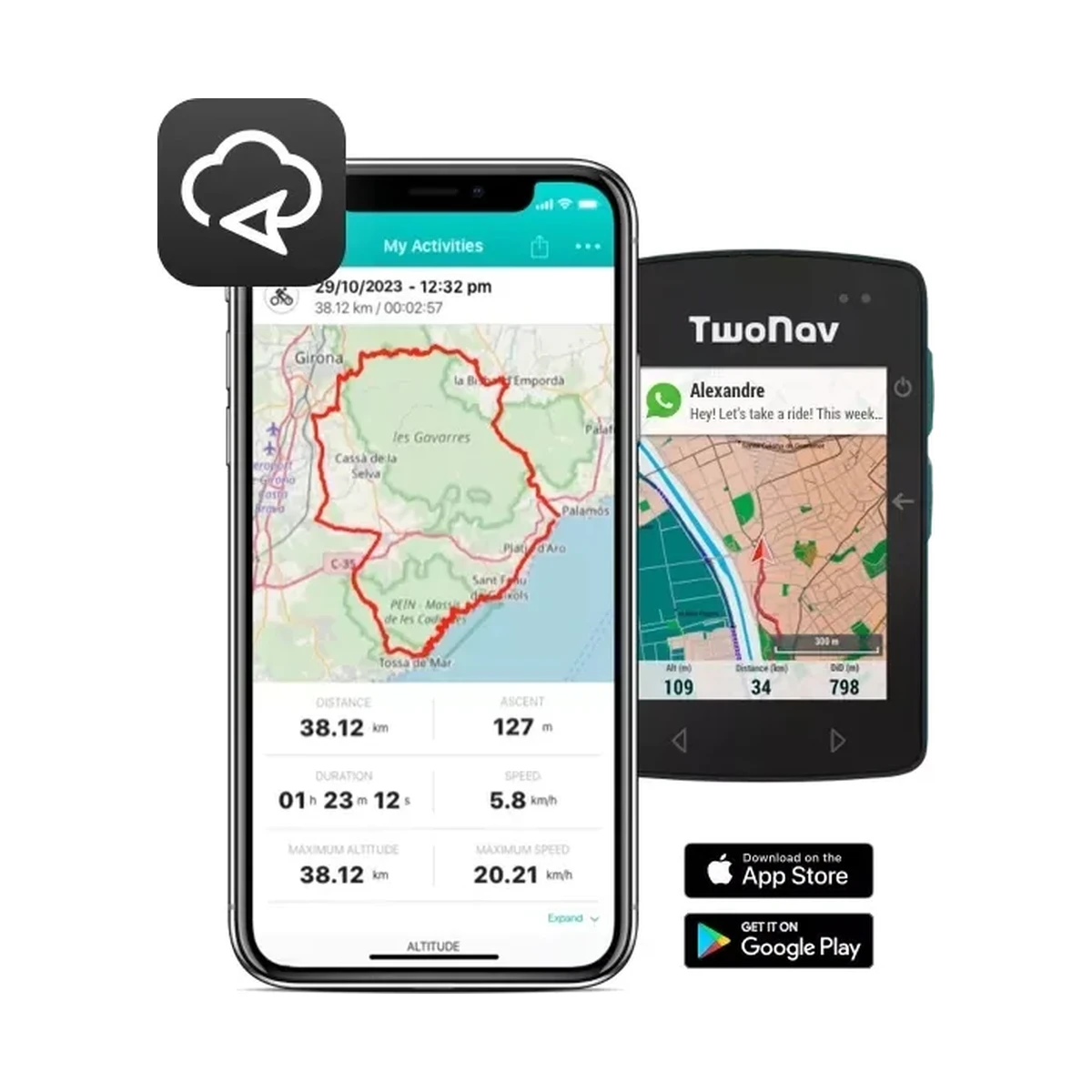
Dedicated navigation hardware remains relevant well beyond the automotive category it entered India through in 2006, most directly in the outdoor and adventure GPS range covered elsewhere in this catalogue, TwoNav's Aventura, Cross Plus, Roc and Terra devices, which serve exactly the purpose-built navigation role that smartphone apps, dependent on cellular coverage and battery life not built for extended outdoor use, do not fully replace.
What this history represents
- ASPL's GPS expertise has, since 2006 at the latest, extended beyond specialist maritime, aviation and defence applications into consumer and outdoor navigation products.
- Introducing an entirely new product category to a market is a different kind of business capability than distributing an established one, and this milestone demonstrates that capability as part of ASPL's history.
- The outdoor GPS range ASPL currently supplies, covered in more depth elsewhere in this catalogue, continues the same dedicated-navigation-hardware category this 2006 introduction established in India.
ASPL supplies TwoNav's current outdoor and adventure GPS range, the direct descendant of the dedicated navigation hardware category it introduced to India in 2006.