
Why purchase price alone is a misleading comparison
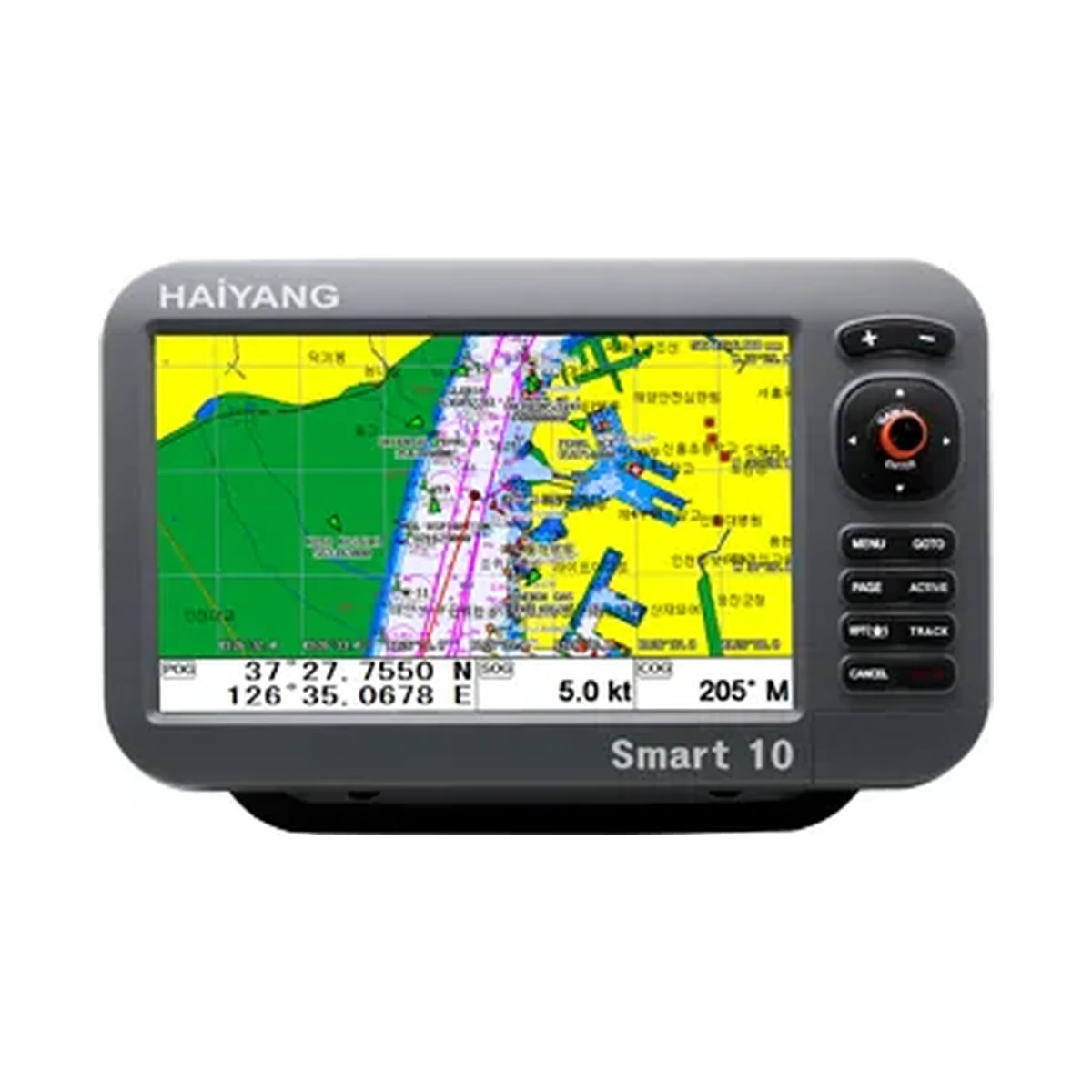
Across this catalogue's brand comparisons, AMEC against Digital Yacht, Garmin against Haiyang, Icom against Samyung and Motorola, the temptation is to compare on purchase price and treat the cheaper option as the more cost-effective one. Purchase price is only one term in the actual cost of owning and operating equipment over its working life, and for equipment that fails, needs frequent service, or has a shorter usable life, the cheaper unit is often not the cheaper choice once the full picture is considered.
What total cost of ownership actually includes
Beyond the sticker price, the real cost of a piece of equipment includes its expected service life before replacement, the frequency and cost of routine maintenance, spares availability and cost when something does fail, warranty coverage and what it actually excludes, and, for equipment tied to a subscription such as aviation navigation databases covered elsewhere in this series, the recurring cost of keeping it current.
Where premium equipment genuinely earns its price
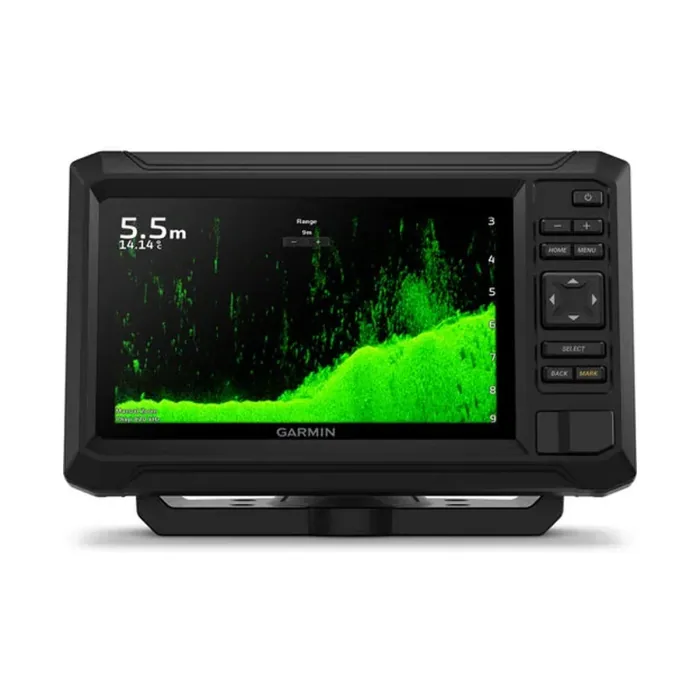
Garmin's broader ecosystem depth, covered in the dedicated Garmin-versus-Haiyang article elsewhere in this series, is a genuine long-term value driver for a vessel planning to expand its electronics over several years, since each additional piece of equipment integrates with what is already installed rather than requiring a parallel system. Similarly, manufacturer-authorised equipment with genuine local service support, covered in this catalogue's supplier certification content, reduces the real cost of a failure, faster repair turnaround, guaranteed genuine parts, against equipment sourced through channels with no local service backing.
Where budget equipment is genuinely the right call
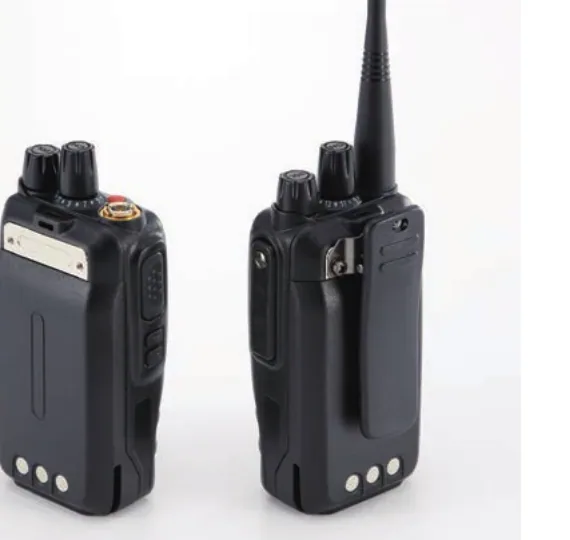
Equipment used briefly, infrequently, or as a backup rather than primary system, a spare handheld radio, a secondary NAVTEX receiver, does not need the same total-cost-of-ownership analysis as primary, heavily used equipment, since its low usage rate means service frequency and long-term ecosystem fit matter far less than for equipment in daily service. Similarly, a straightforward, well-specified budget option such as Haiyang's chartplotter range or Alinco's marine VHF, covered elsewhere in this catalogue, genuinely delivers strong value for an operation that does not need or want ecosystem depth it will never use.
A practical framework for the decision
- For equipment in constant, heavy use, safety-critical or central to daily operations, weigh service life, spares availability and support quality more heavily than purchase price alone.
- For equipment used occasionally or held as backup, purchase price and basic reliability are reasonably the dominant factors, since the total-cost differential over infrequent use is smaller.
- For equipment likely to be expanded or integrated with additional purchases over time, weigh ecosystem fit and long-term compatibility, not just the immediate purchase.
- Ask specifically about spares availability, warranty terms and service turnaround before comparing purchase price alone, since these vary meaningfully between suppliers even for functionally similar equipment.
ASPL supplies equipment across this full price and capability range and can help work through a genuine total-cost comparison for a specific purchase, rather than defaulting to whichever option has the lower purchase price on the day of the decision.