
Two ways equipment can trigger an explosion
Explosion-protection certification addresses two distinct ignition mechanisms: electrical sparks and arcs, which intrinsic safety's energy-limiting circuit design is built to prevent, and hot surfaces, which can independently ignite a surrounding flammable atmosphere on contact even without any spark at all. Every radio in this catalogue's ATEX and IECEx range carries a T-class rating specifically to address the second mechanism, alongside its Ex ib or ia protection rating addressing the first.
What the T-class scale actually specifies
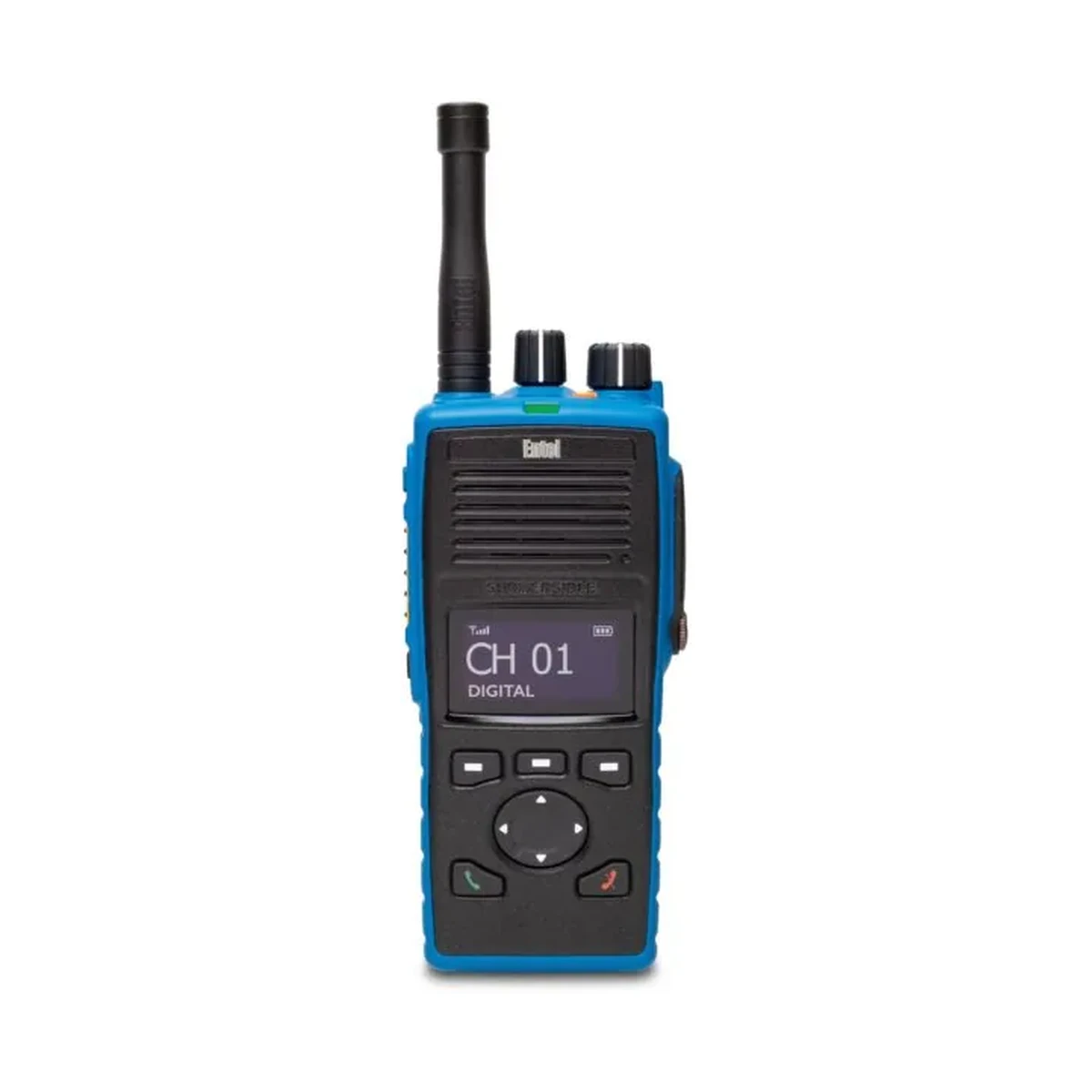
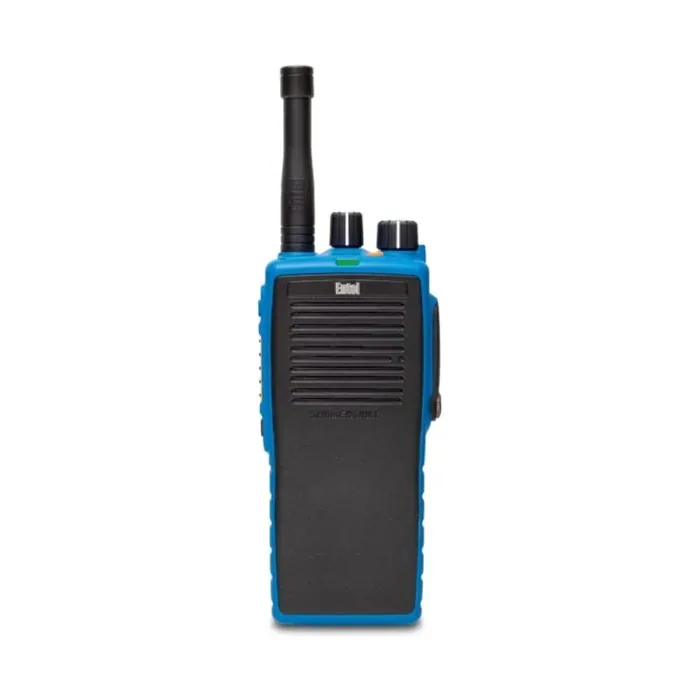
The temperature class states the maximum surface temperature the equipment is permitted to reach, under both normal operation and specified fault conditions, expressed as a class from T1 through T6 rather than a raw number on the marking itself. T1 permits the highest maximum surface temperature, 450°C, and T6 the lowest, 85°C, with each class corresponding to a specific temperature ceiling: T4, the rating carried by the Entel DT985M and the great majority of the intrinsically safe handhelds covered in this series, corresponds to a maximum surface temperature of 135°C.
Why T4 is the common rating for this equipment
T4 is not an arbitrary choice; it reflects the ignition temperature of the gases the equipment's gas-group rating already covers. A handheld radio's internal electronics and battery genuinely can generate heat during operation, particularly under sustained transmit load or battery charging, and T4 certification confirms that heat has been tested and verified to stay below the 135°C threshold across the device's specified operating conditions, including realistic fault scenarios rather than only normal use.
Matching T-class to the actual gas present
Different flammable gases have different auto-ignition temperatures, the temperature at which the gas itself will spontaneously ignite on contact with a hot surface, and a site's required T-class is set by whichever gas present has the lowest auto-ignition temperature, since that is the gas most easily ignited by a hot surface. A site handling only gases with a comparatively high auto-ignition temperature may be adequately served by equipment rated to a less stringent T-class than T4; a site handling gases with a lower auto-ignition temperature needs equipment rated to a more stringent class, T5 or T6, if such a requirement genuinely exists at the site. Confirm this against your site's own hazardous area classification study rather than assuming T4 is universally sufficient.
T-class and gas group are independent ratings
It is worth being clear that temperature class and gas group, covered in the dedicated IIB-versus-IIC article elsewhere in this series, are two separate axes of the same certification, addressing different ignition mechanisms, and a radio's full marking states both independently: II 2G Ex ib IIC T4 Gb specifies IIC gas group and T4 temperature class as two distinct facts about the same piece of equipment, neither implying the other. Confirming a radio's suitability for a given site means checking both figures against the site's classification, not just one.
Practical takeaways
- T4, corresponding to a 135°C maximum surface temperature, is the rating carried by the great majority of intrinsically safe handhelds in this catalogue and suits most industrial gas-hazard sites.
- Confirm your site's required temperature class from its own hazardous area classification study, based on the specific gases present, rather than assuming T4 is automatically adequate.
- T-class and gas group are independent specifications; a radio's full suitability for a site depends on both matching correctly, not either alone.
- Where a site handles gases with an unusually low auto-ignition temperature, a more stringent T-class than T4 may genuinely be required, and this should be confirmed before ordering rather than assumed from the general prevalence of T4-rated equipment in the market.
ASPL is an authorised distributor of Entel in India and supplies ATEX and IECEx certified equipment across its full T-class and gas-group range, and can help match a specific site's classification to the correct certified equipment.