
Why ANR needs power at all
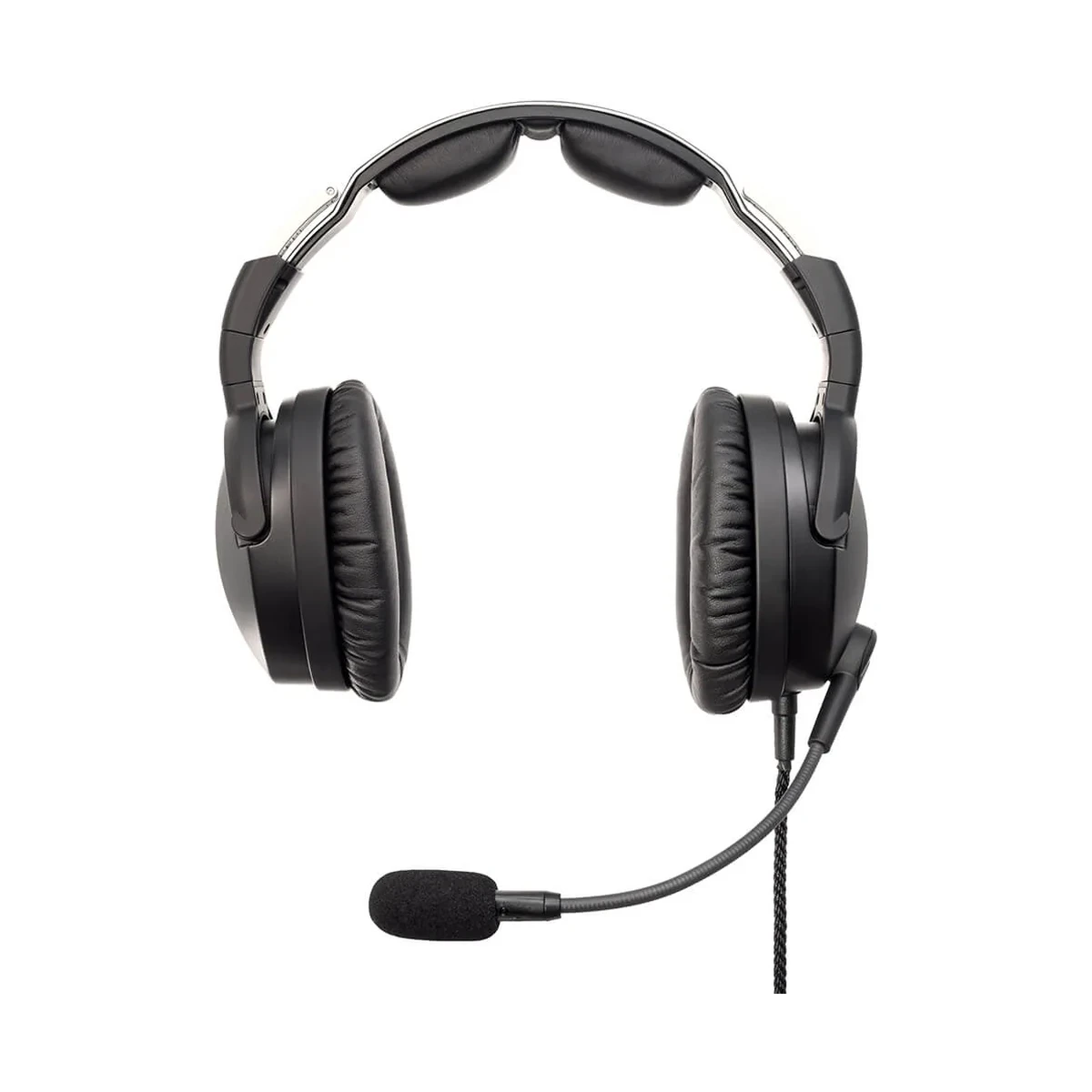
Unlike a passive headset such as the David Clark H10-13.4, which attenuates noise purely through mechanical construction and needs no electricity to function, an ANR headset relies on internal microphones and a processor generating an active cancelling signal, and that processing has to be powered from somewhere. The two options in general aviation are onboard batteries, almost always AA cells, or power drawn directly from the aircraft's panel through a dedicated connector.
Battery-powered ANR
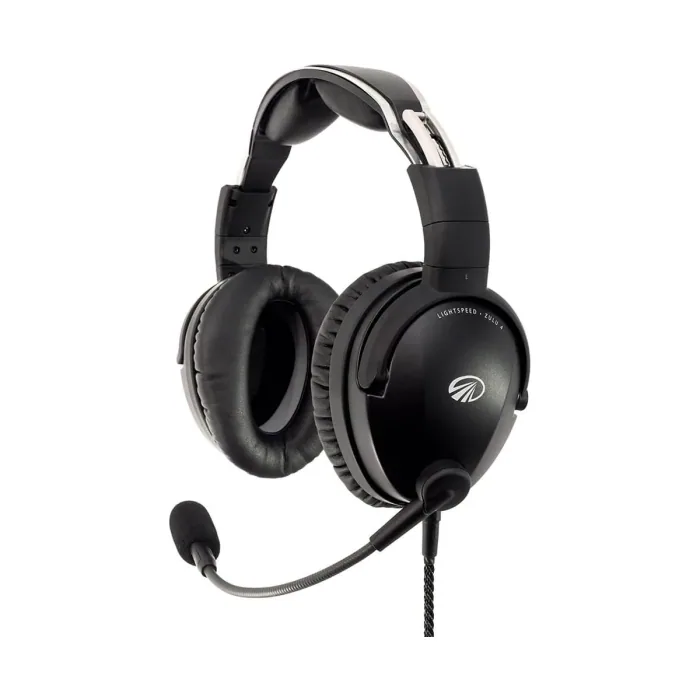
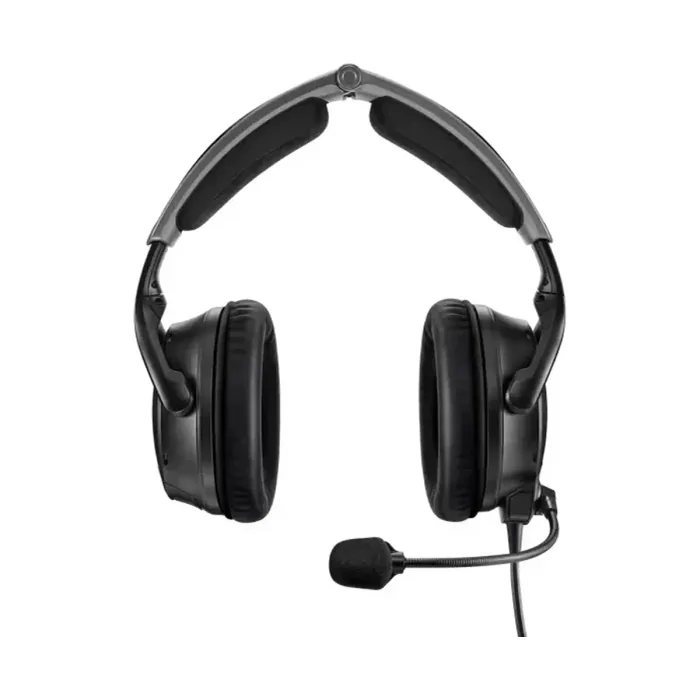
The Bose A30 runs up to 45 hours on two AA batteries, and the Lightspeed Zulu 4 runs from two AA cells at 3V with an auto shutoff feature when the headset is not in use, extending battery life by preventing it draining while the headset sits connected but unworn between flights. Battery power is the more flexible option in one important sense: it works in any aircraft regardless of panel wiring, since the headset is entirely self-contained. Its downside is equally straightforward: a pilot has to actually manage battery state, replacing or recharging cells before they run flat mid-flight, which is an added item on preflight for anyone relying on ANR.
Panel-powered ANR
Where an aircraft's headset jacks are wired to supply power directly, an ANR headset can draw from the panel instead of carrying its own batteries, connected through a single round LEMO 6-pin connector rather than the usual dual GA plugs. The Zulu 4 is offered with this panel-power 6-pin option specifically, alongside its dual GA and helicopter U-174 configurations. The appeal is straightforward: no batteries to manage, no risk of ANR failing mid-flight because a battery ran flat, and no line item on a preflight checklist for headset power at all.
The catch
Panel power only works if the aircraft is actually wired to provide it. This is common in newer general aviation aircraft and business jets and essentially absent in older aircraft and most trainers, so the choice is frequently made for the buyer by what their aircraft already has rather than being a free preference. Ordering a panel-powered headset for an aircraft with no panel power wiring leaves the pilot with a headset that cannot be connected at all without an adapter or a rewiring project neither buyer nor headset was built to solve.
Deciding which to buy
- Confirm whether your aircraft's headset jacks actually supply panel power before considering a LEMO-configured headset, rather than assuming it based on the aircraft's age or type.
- Flying more than one aircraft, or an aircraft you do not control the panel wiring of, such as a rental: battery power is the safer default, since it works everywhere without dependency on wiring you cannot verify in advance.
- Own aircraft already wired for panel power: the ongoing convenience of never managing batteries is a genuine, recurring benefit worth choosing deliberately rather than an incidental feature.
- Whichever option you choose, confirm the specific plug configuration, dual GA, LEMO or U-174, matches your aircraft exactly before ordering, as covered in more depth in the headset plug guide elsewhere in this series.
ASPL supplies the Zulu 4 in dual GA, panel-power and helicopter plug configurations, and can confirm which one fits your aircraft before you order.