
What changes offshore
Coastal sailing tolerates gaps, a chartplotter without a full sensor network, a handheld VHF instead of a full GMDSS fit, that offshore cruising cannot. Distance from shore support, longer periods without a marina's Wi-Fi or a phone signal, and the genuine consequence of an equipment failure far from help all push an offshore-bound vessel's electronics toward a more complete, more integrated system than coastal cruising strictly requires.
Navigation: a proper sensor network, not just a chartplotter
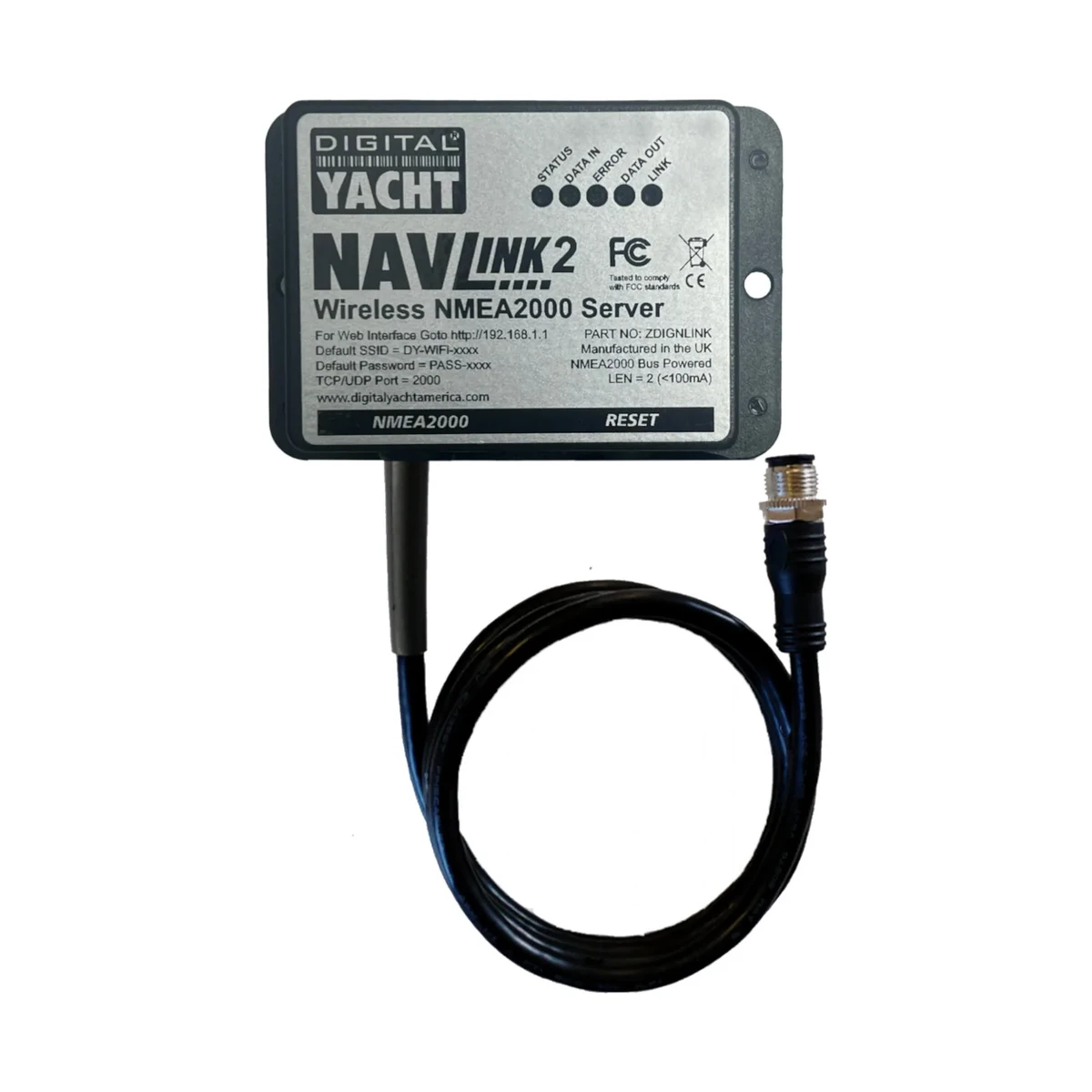
Beyond the chartplotter itself, covered extensively in this catalogue's marine navigation content, offshore cruising benefits from a genuine NMEA 2000 sensor network, wind, depth, heading and environmental data feeding the chartplotter automatically rather than being read separately from standalone instruments. Digital Yacht's networking range, the iSeasSense wireless sensor packs, the NavLink 2 and related gateways, covered in more depth in this catalogue's marine navigation content, is built specifically for pulling this kind of network together.
Communication: MF/HF, not VHF alone
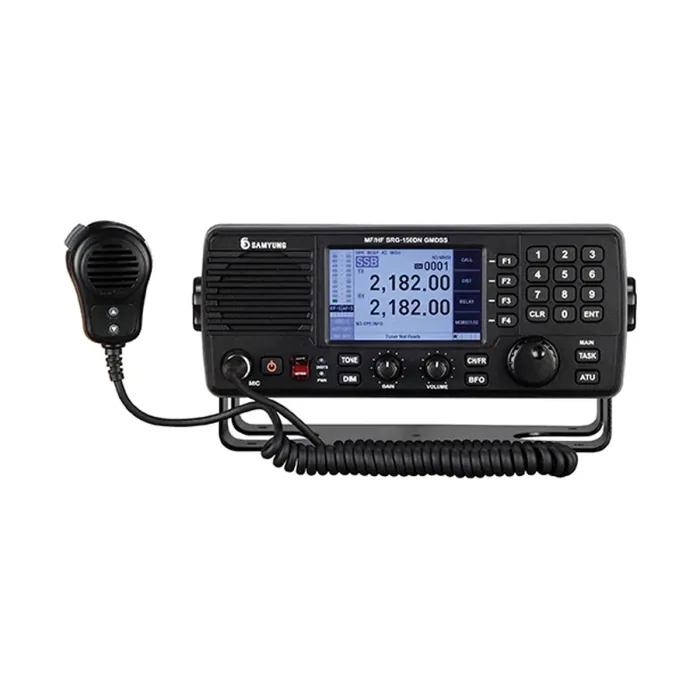
A vessel genuinely operating offshore, beyond VHF's coastal range, needs MF or HF communication capability, whether that is a full GMDSS MF/HF set such as the Samyung SRG-150DN for a SOLAS-regulated vessel, or an equivalent HF capability for a private cruising yacht outside that mandate, covered in more depth in the dedicated MF/HF article elsewhere in this series. VHF alone, however well equipped, does not close this gap.
AIS: for both safety and situational awareness
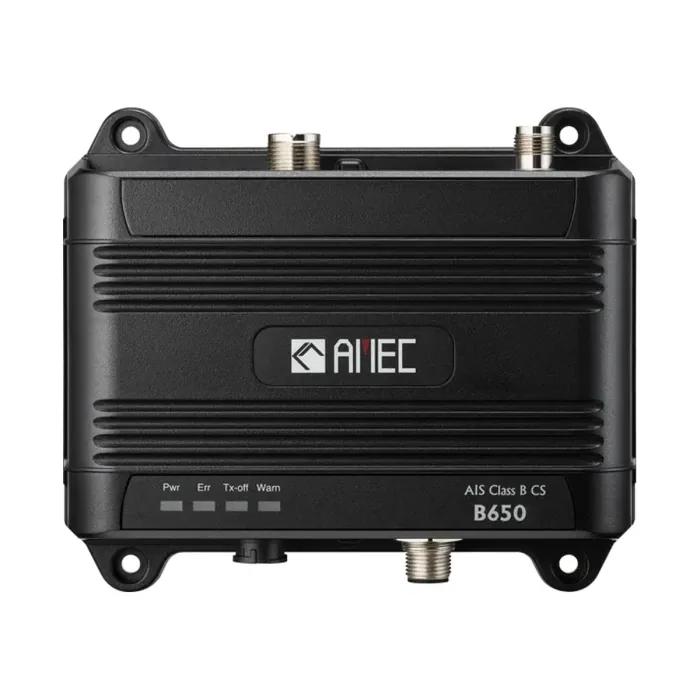
AIS, covered extensively elsewhere in this catalogue, matters as much for an offshore cruiser as for a commercial vessel, arguably more so given the reduced traffic density and reduced margin for error offshore; a Class B SO transponder, such as the AMEC WideLink B650 or the Digital Yacht AIT2500, gives a reasonable balance of visibility and cost for a private vessel not under mandatory Class A carriage.
Onboard connectivity
Staying connected offshore, for weather routing, communication with shore support, or simply crew morale on a long passage, increasingly means onboard Wi-Fi and cellular or satellite data connectivity rather than relying on marina Wi-Fi at each stop. This is a genuinely separate layer from navigation and safety equipment, worth planning as part of the same overall electronics build rather than an afterthought once the safety-critical equipment is in place.
A sensible build sequence
- Confirm the vessel's GMDSS or equivalent safety communication fit against the actual sea areas and distances the cruising plan covers.
- Build out a proper NMEA 2000 sensor network feeding the chartplotter, rather than leaving instruments standalone.
- Add AIS matched to the vessel's actual traffic exposure and budget.
- Plan onboard connectivity as a deliberate part of the electronics build, not an afterthought.
- Confirm licensing, MMSI and Ship Radio Station Licence, covered in more depth elsewhere in this series, is in place before departure.
ASPL supplies the full range referenced here across Digital Yacht, AMEC, Samyung and Garmin, and can help plan a coherent offshore electronics build rather than a collection of separately specified components.