
What an MMSI number is
A Maritime Mobile Service Identity, universally shortened to MMSI, is a nine digit number that uniquely identifies one vessel in the maritime mobile service. It is the identity carried in every AIS position report and in every digital selective calling (DSC) alert your VHF radio sends. When another ship sees your vessel on its chartplotter by name, or when a coast station receives a DSC distress alert and knows immediately which vessel sent it, the MMSI is what made that possible.
MMSIs are administered internationally by the ITU. The first three digits are the Maritime Identification Digits, or MID, which identify the administration responsible for the station. India's MID is 419, so an Indian flagged vessel's MMSI begins 419 and the remaining six digits identify the individual ship. The same numbering scheme extends to other station types: coast stations, group calls, AIS SARTs and man overboard beacons all use recognisable MMSI formats, which is how a receiving unit can tell a vessel apart from a locating device.
Why AIS and DSC equipment will not work properly without one
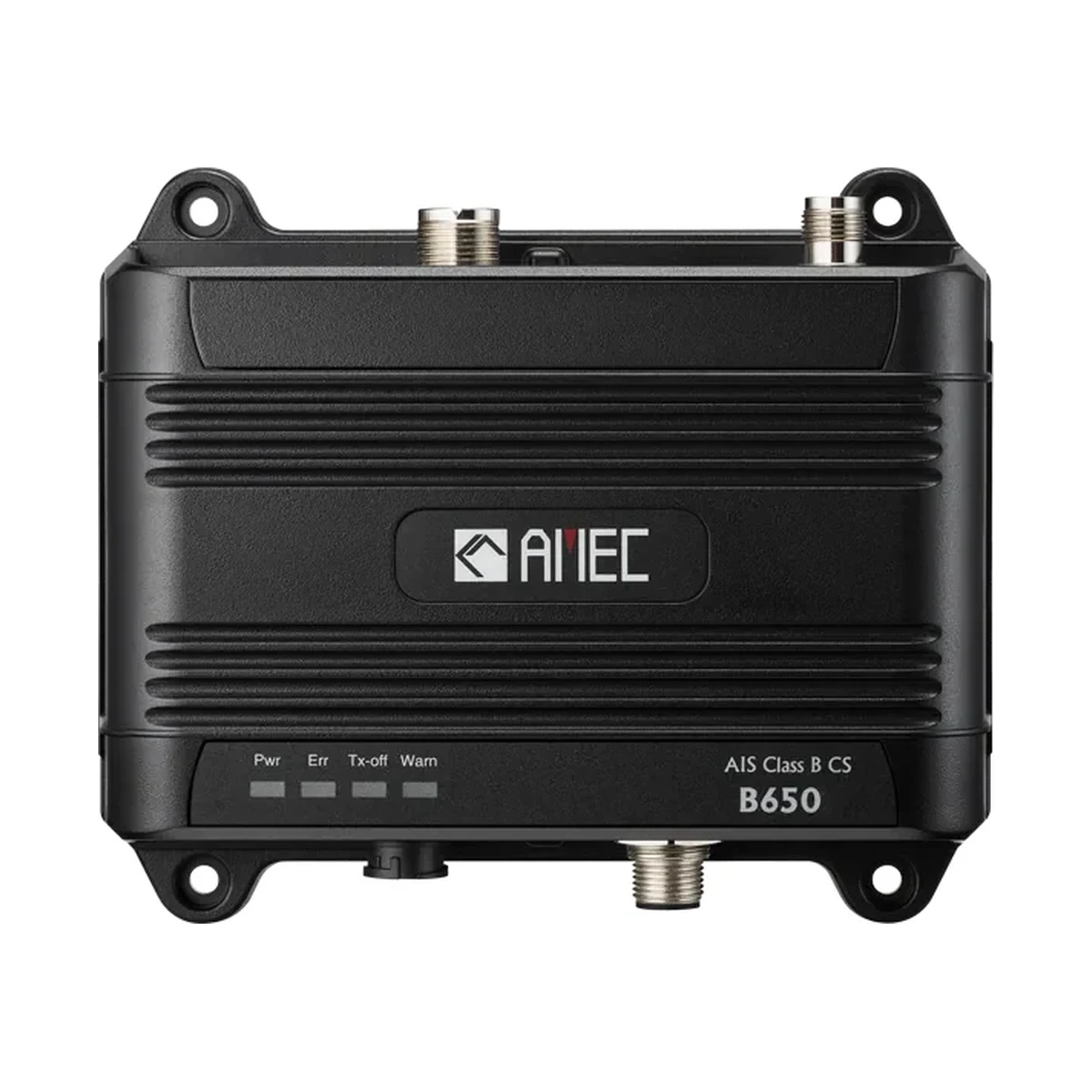
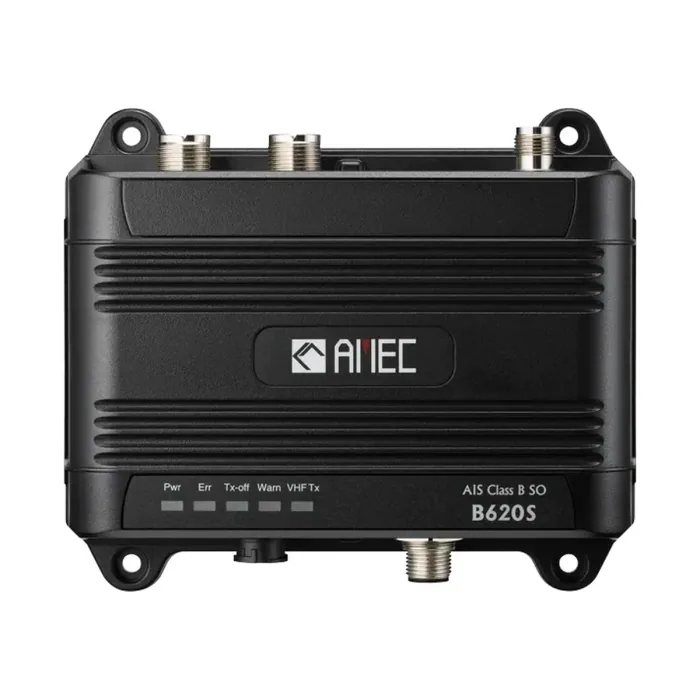
An AIS transponder with no MMSI programmed has nothing to identify itself with, and a correctly designed unit simply will not transmit. A DSC VHF radio without an MMSI cannot originate a distress alert. The number is not an optional registration formality that improves the equipment; it is the field the protocol is built around. This is why AIS transponders ship with the MMSI field blank and why it must be entered before the unit goes into service.
Who issues an MMSI in India
Two separate government functions are involved, and it is worth keeping them apart because they are often confused.
The first is the identity itself. For Indian registered ships, the allotment of the vessel's name, official number, call sign and MMSI is handled through the ship registration process administered by the Directorate General of Shipping, under the Merchant Shipping (Registration of Indian Ships) Rules, with the application routed through the registrar of Indian ships.
The second is the radio licence. A vessel carrying transmitting radio equipment needs a Maritime Mobile Station Licence, issued by the regional licensing offices of the Wireless Planning and Coordination (WPC) Wing of the Department of Telecommunications. Applications are made through the government's Saral Sanchar portal, and the WPC licence documentation lists an MMSI and call sign allotment letter among the papers to be submitted, which is the practical reason the identity is obtained first and the station licence second. A separate licence category exists for fishing trawlers and boats, reflecting the different documentation a fishing vessel can realistically produce.
What the process generally involves
- Vessel registration documents establishing the ship's identity and Indian registry
- Allotment of the call sign and MMSI through the ship registry route
- An application on the Saral Sanchar portal for the Maritime Mobile Station Licence, with supporting documents uploaded
- A list of the radio equipment to be carried, including the AIS transponder and DSC VHF sets
- Operator qualification documents, where the equipment class calls for a certified radio operator
- Payment of the prescribed licence fee, after which the licence is issued and can be downloaded
Fees, validity periods and the exact document list are set by the licensing authority and change from time to time, so confirm the current requirements with the WPC regional licensing office or the ship registry before you file rather than relying on any summary, this one included.
Programming the number into your equipment
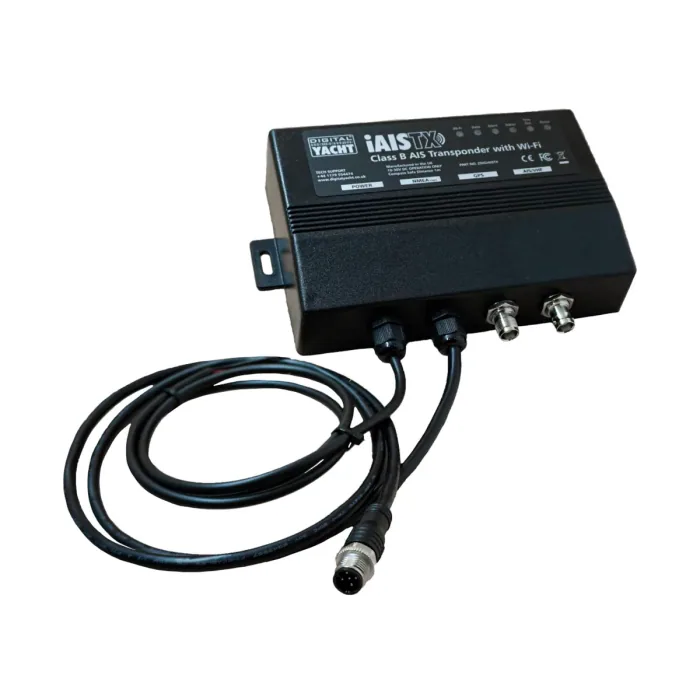
Once allotted, the MMSI is entered into the AIS transponder along with the vessel's static data: name, call sign, dimensions, antenna offsets and vessel type. On most Class B transponders the MMSI is a one time entry that locks after it is set, so a mistyped digit is not a trivial thing to undo, and correcting it usually means going back to the manufacturer or dealer. Digital Yacht units are configured with the ProAIS2 software and AMEC units with AISConfig, both of which show the static data back to you before it is committed.
Two errors are worth guarding against. The first is entering an MMSI belonging to a previous owner when a vessel changes hands, which puts the wrong identity on the water. The second is entering the dimensions and antenna offsets carelessly; those figures tell other vessels where your reported position sits relative to your hull, and a large ship in a narrow channel is entitled to rely on them.
Where to get help
ASPL supplies and integrates AIS transponders and receivers from AMEC and Digital Yacht across India, and handles commissioning and handover including static data configuration. The licensing itself rests with the vessel owner and the issuing authorities, but getting the equipment correctly programmed and interfaced once the number is in hand is the part we can take off your hands.