
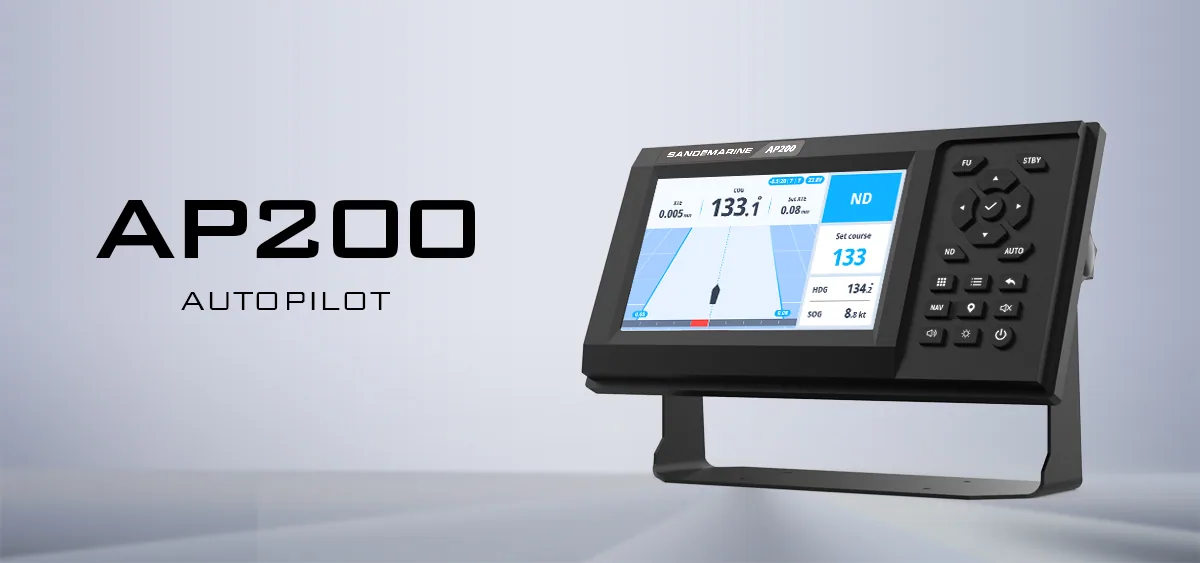
An autopilot holds a course so the helmsman does not have to, and on a long passage or a working day at sea that is worth a great deal in fatigue alone. It is also the piece of equipment most often bought on the strength of the control head alone, when the control head is only one part of a system that has to match the boat's steering gear, its heading reference and its existing navigation network.
Start with how the boat steers
The drive is chosen by the steering system, not by preference. A hydraulic steering system needs a pump or a solenoid valve arrangement acting on the existing hydraulic circuit; a mechanical cable or chain steering system needs a drive that acts on the steering quadrant or the wheel. Compatibility is stated by the manufacturer and it is the first thing to check. The SandeMarine AP200, for example, states compatibility with hydraulic-driven boats, chain-driven boats, solenoid valve boats and hydraulic-driven yachts. If your steering arrangement is not on that list, the rest of the specification does not matter.
Heading reference and rudder feedback
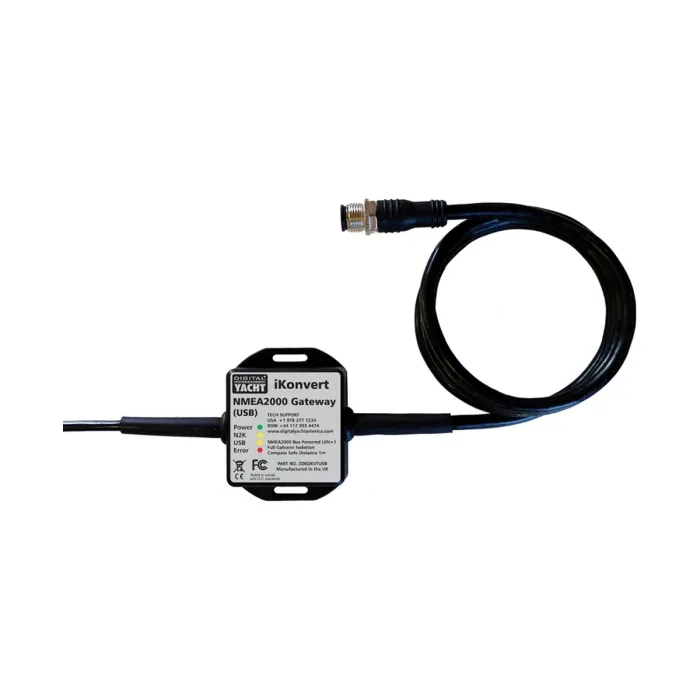
An autopilot needs to know two things continuously: which way the vessel is pointing, and where the rudder currently is. Heading comes from a dedicated compass or heading sensor rather than from GPS course over ground, because course over ground lags and includes set and drift. Rudder angle comes from a feedback unit fitted at the quadrant. The AP200 has a dedicated RS422 compass port accepting positioning and heading data, and its main data port handles positioning, heading and rudder angle input and output. On boats where a heading source is also needed for radar target tracking or for a chartplotter's overlay, a NMEA 2000 sensor such as the Garmin SteadyCast or the Garmin 9-Axis heading sensor may already be on the network for that reason.
Understand the steering modes
Autopilot mode names are broadly standardised. Standby hands steering back to the helm. Auto holds a compass heading. Follow-up, sometimes shown as FU, lets you command a rudder angle directly from the control head. A no-drift mode corrects for set and leeway by holding a track over ground rather than a heading through the water. Navigation mode takes cross-track information from a chartplotter and steers a route. The AP200 offers standby, auto, follow-up, no-drift and navigation modes, with waypoint navigation and external navigation modes. Knowing which modes you will actually use decides whether the autopilot needs to be integrated with your plotter at all.
Check the protocol before you buy
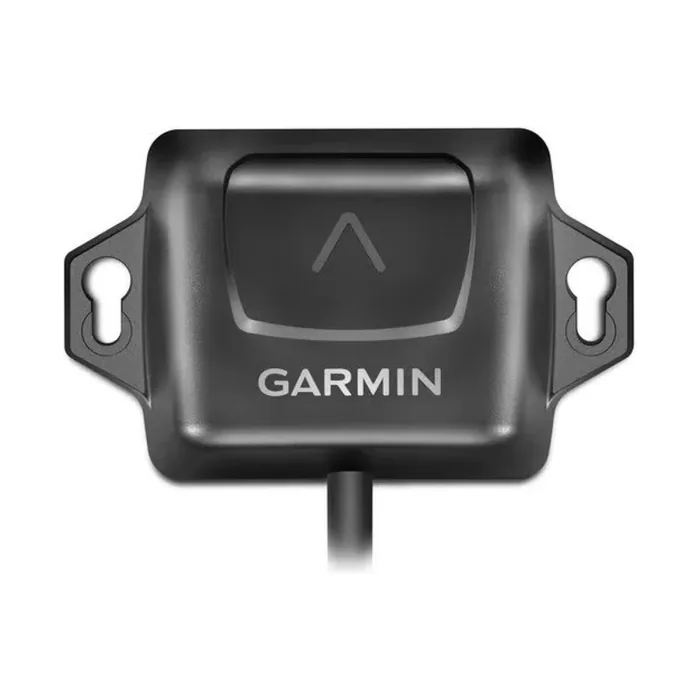
This is where installations go wrong. Waypoint steering requires the plotter and the autopilot to speak the same protocol. The AP200 communicates over NMEA 0183 on RS422 ports. A boat whose chartplotter only outputs NMEA 2000 will need a gateway between them, such as the Digital Yacht iKonvert, which converts bi-directionally between the two standards and has a defined mode for exactly this situation, feeding GPS and navigation data from a newer NMEA 2000 display to an older NMEA 0183 autopilot. Establish this before ordering, not on the day of the install.
A pre-purchase checklist
- Steering type: hydraulic, mechanical cable, chain or solenoid valve, and confirmed against the autopilot's stated compatibility.
- Vessel displacement and rudder loads, since a drive sized for a light boat will not hold course on a heavy one in a following sea.
- Heading source: is one already on the network, and does it output in the format the autopilot expects?
- Rudder feedback unit: included, or a separate part, and is there room at the quadrant to fit it?
- Protocol match with the chartplotter, and a gateway budgeted if NMEA 2000 and NMEA 0183 have to be bridged.
- Supply voltage against the boat's system. The AP200 accepts 9 to 36 V DC, which covers both 12 V and 24 V installations.
- Mounting at the helm. The AP200 offers desktop, hanging and embedded installation, with a 7 inch 800 x 480 display at up to 400 nits.
- Environmental rating for where the head is actually mounted. The AP200 is IP65 and rated from minus 15 to 55 degrees C, which suits an exposed or semi-exposed helm.
- A clearly reachable manual override or standby control, because the ability to take back the helm instantly is a safety matter.
Commissioning is not optional
An autopilot has to be calibrated to the boat after installation: compass swing and deviation correction, rudder feedback zeroing and end-stop limits, and sea trials to tune the response to the vessel's handling. A system that has been fitted but not tuned will hunt, oversteer or fail to hold in a seaway, and that is a setup problem rather than a hardware fault. ASPL's commercial marine work covers bridge integration between navigation, AIS, autopilot and charting systems, with commissioning and operator training as part of the handover.