
Automatic Dependent Surveillance-Broadcast, ADS-B, works by having an aircraft's own GNSS-derived position, altitude, velocity and identity broadcast automatically over a radio datalink, so ground stations and other aircraft can build a surveillance picture without relying solely on radar interrogation. Whether an aircraft has to transmit that broadcast, ADS-B Out, depends entirely on the rules of the airspace it is flying in, and India's rule is narrower than pilots coming from a US or European background often expect.
What the Indian mandate actually says
India's requirement is set out through the Airports Authority of India's AIP Supplement covering ADS-B Out equipage, and it applies to aircraft operating at or above Flight Level 290 in Indian airspace. Above that level, an aircraft must carry serviceable 1090 MHz Extended Squitter, 1090ES, ADS-B Out equipment meeting the specified performance requirements. Aircraft that do not comply are not normally permitted to operate in the mandated airspace, and their flight level assignment is instead subject to air traffic control's discretion.
Compliance also has a flight-planning component. An operator meeting the requirement indicates it using the appropriate surveillance equipment code in Item 10 of the ICAO flight plan, with the designator B1 denoting dedicated 1090 MHz ADS-B Out capability. Air traffic control uses that field, not a visual inspection of the aircraft, to know what surveillance it can rely on for a given flight.
Why FL290 is the threshold
Flight Level 290 is the floor of India's Reduced Vertical Separation Minima airspace, the band where aircraft are vertically separated by 1,000 feet rather than 2,000 feet. Surveillance-based separation matters more as vertical buffers shrink, which is the operational logic behind tying the ADS-B requirement to that same boundary rather than applying it uniformly from the ground up. In practice this means the mandate is aimed squarely at aircraft operating in the upper airspace used by jet and turboprop traffic on longer sectors, not at the general aviation and training fleet flying locally below it.
What this means below FL290
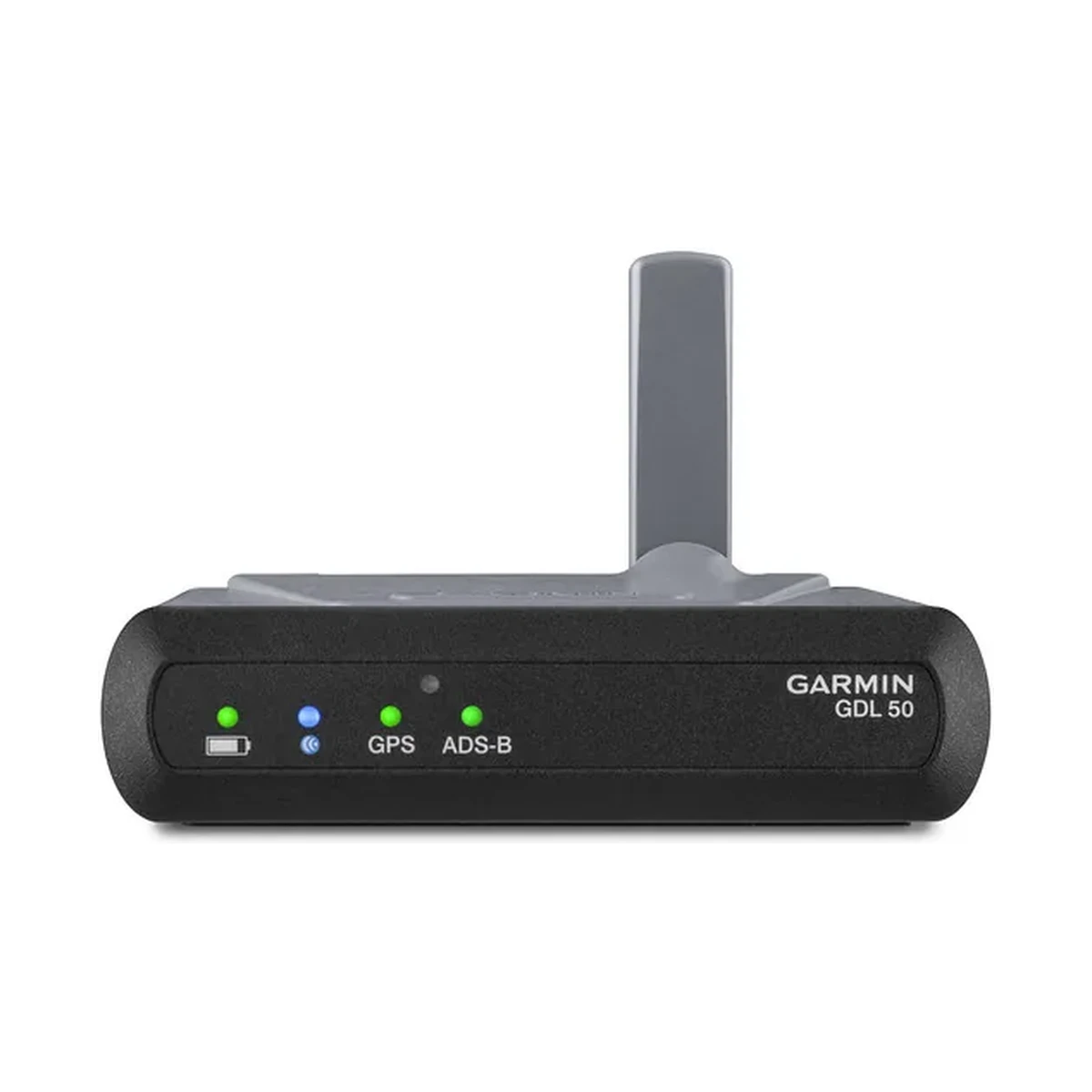
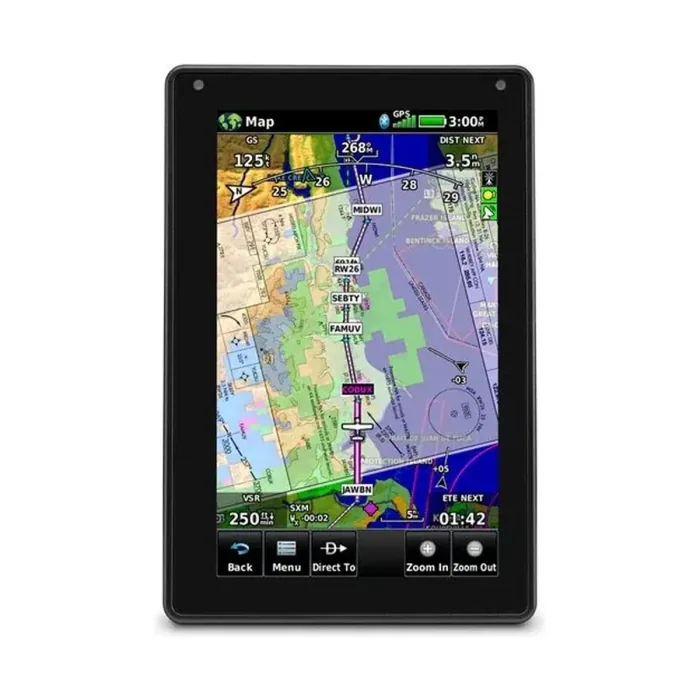
An aircraft that never operates at or above FL290 is not caught by this specific mandate. That covers the great majority of light aircraft, trainers and helicopters flying VFR locally, for which the 1090ES requirement simply does not bite. It does not mean ADS-B is irrelevant to that fleet. A portable ADS-B In receiver such as the Garmin GDL 50 still adds real value below FL290, by showing dual-band ADS-B traffic on a connected tablet or portable GPS, independent of anything the mandate requires you to transmit. Separation from the mandate is also not the same as separation from every other equipment requirement an operator's category, route structure or operating rules may impose, so this is a starting point for checking your own aircraft's position, not a substitute for confirming it against the current AIP Supplement and any DGCA circular that has updated it since publication.
Fitting for the mandate
An aircraft that does operate at or above FL290 needs a certified 1090ES transponder installation, integrated with the aircraft's GNSS position source so the broadcast meets the required navigation accuracy category, and this is panel-mount avionics work carried out to the applicable airworthiness approval, not something addressed with a portable unit. Aircraft below that level that want the situational-awareness benefit of ADS-B without a mandate to satisfy have a genuinely different, and considerably simpler, decision to make, which is the subject of the GDL 50 buying guide elsewhere in this series.
ASPL supplies avionics, portable GPS and ADS-B equipment for civil aviation operators in India and is certified by the Director General of Civil Aviation. Confirm your aircraft's specific obligation against the current AIP Supplement and any subsequent DGCA circular before specifying equipment, since mandates of this kind are amended from time to time.