
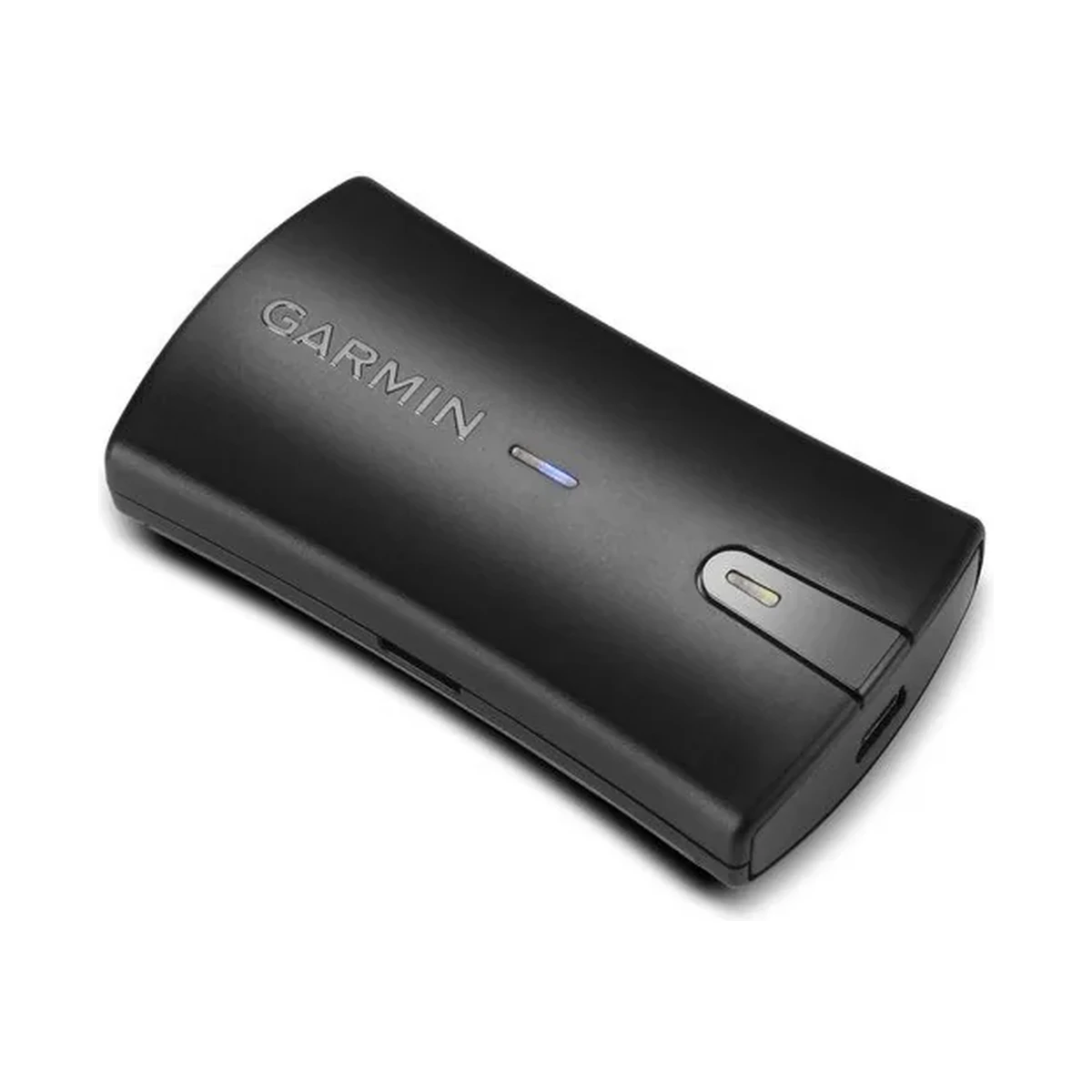
An iPad or Android tablet with cellular capability generally includes a built-in GPS chipset, and it is tempting to conclude that a device already gives an EFB app everything it needs to show your position on a moving map. For casual use that is often true. For aviation navigation, where position, groundspeed and track feed directly into a moving map, an HSI display or synthetic vision, the gap between a phone-grade GPS and an aviation-oriented receiver like the Garmin GLO 2 is large enough to matter.
What the GLO 2 actually is
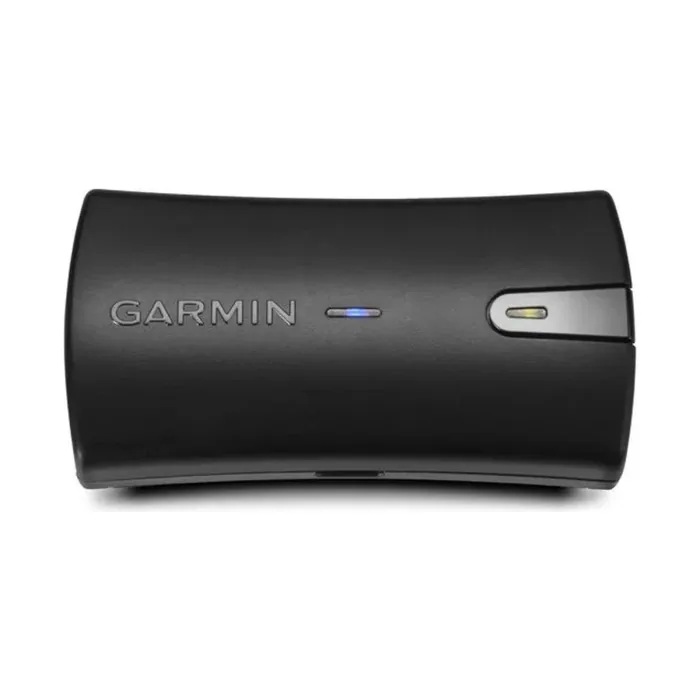
The GLO 2 is a small, self-contained GPS and GLONASS receiver, 0.70 by 1.65 by 3.04 inches and 2.12 ounces, that pairs wirelessly to a tablet or phone and feeds position data to any compatible aviation app, most directly Garmin Pilot. It runs on an internal 1150 mAh battery rated for around 13 hours between charges, so it operates independently of the host device's own battery drain.
Update rate: the difference that actually shows on the map
The GLO 2 updates position at 10 Hz, ten times per second. A typical consumer tablet GPS chipset, tuned for pedestrian and driving navigation rather than an aircraft moving at 150 knots or more, updates far less frequently and was never designed to track the higher accelerations and turn rates an aircraft is capable of. At cruise speed, a low update rate shows up as a jerky, laggy position marker that catches up to where the aircraft actually is rather than tracking it smoothly, and in a turn or during a missed approach, that lag is exactly when accurate real-time position matters most.
GPS and GLONASS together
The GLO 2 tracks both the American GPS constellation and Russia's GLONASS constellation simultaneously, rather than GPS alone. More satellites in view generally means a faster fix, better geometry and more resilient tracking in marginal conditions, such as under a wing or beside a canopy pillar where a single-constellation receiver might struggle to hold a clean signal.

WAAS/SBAS augmentation
Where the GLO 2 earns its place over a built-in tablet GPS most clearly is accuracy: it is specified to 3 metres, a figure that reflects SBAS augmentation, the same category of correction covered in the GAGAN article elsewhere in this series. A consumer tablet's GPS chipset is not built or certified to apply that correction the same way, and its typical accuracy sits well behind a dedicated aviation GNSS receiver as a result.
Fast fixes
The GLO 2's specified start times, roughly 3 to 5 seconds for a hot start with recent almanac and position data still valid, around 35 seconds for a warm start, and about 60 seconds for a cold start with no prior data, matter on the ground before a flight rather than in the air. A receiver that takes several minutes to acquire a first fix is a genuine annoyance during preflight; one that locks on inside a few seconds is not.
Who actually needs one
- Anyone running Garmin Pilot or a similar EFB app as a primary or backup navigation source, where position accuracy and update smoothness directly affect situational awareness.
- Pilots flying older tablets or Wi-Fi-only devices with no built-in GPS at all, for whom the GLO 2 is not an upgrade but the only source of position.
- Anyone relying on the app for an HSI-style course display or synthetic vision, both of which need a high, consistent update rate to render smoothly rather than jump between fixes.
A pilot flying casually, glancing at a moving map occasionally with no reliance on precise course guidance, may genuinely not need it. A pilot treating the tablet as a real navigation instrument, even a backup one, is buying a materially better GPS source for a comparatively small outlay. ASPL supplies the GLO 2 alongside the Garmin portable GPS and ADS-B range it is designed to complement.