
What GeM is
The Government e-Marketplace, GeM, launched in 2016 and operational from 2017, is the online procurement platform through which Indian government departments, organisations, defence establishments and public sector undertakings purchase goods and services, built to bring transparency and efficiency to public procurement that previously ran through more fragmented, paper-based tender processes. For a department needing navigation or communication equipment, GeM is generally the default procurement channel rather than a separate tender process run independently.
Direct purchase
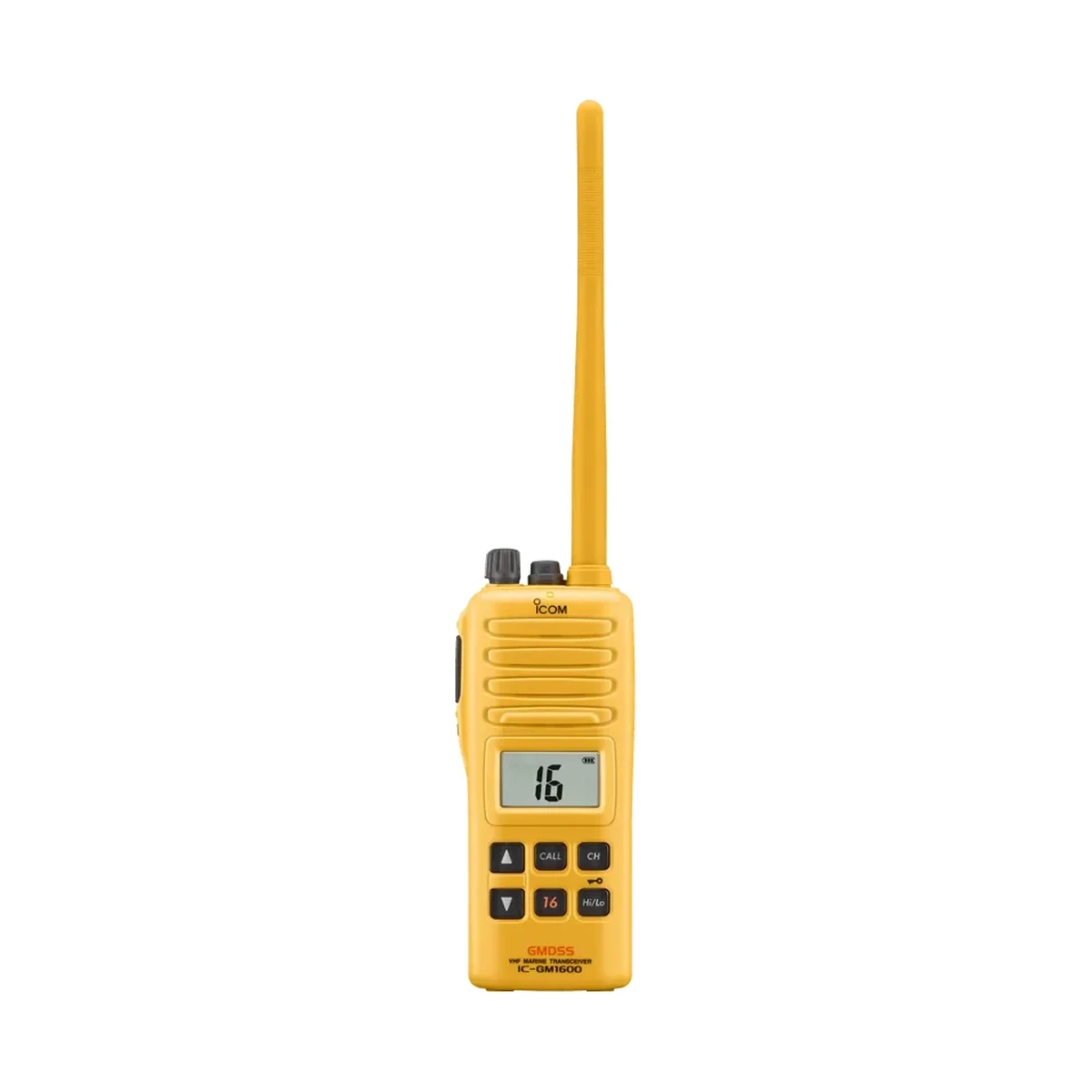
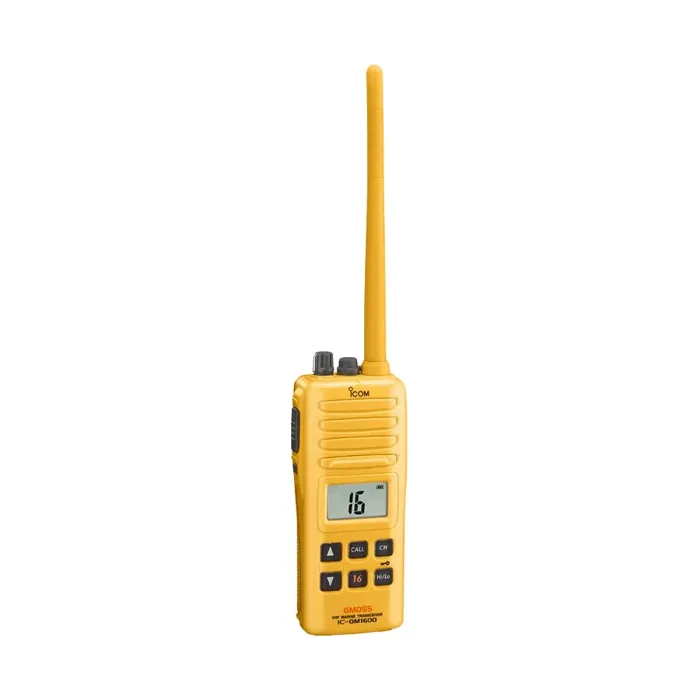
For lower-value requirements, GeM allows a buying department to place an order directly from a registered seller's published catalogue listing, without a separate bidding or evaluation process, provided the transaction falls within GeM's direct purchase threshold. This route depends on the seller's catalogue listing, specifications, pricing and product images being accurate and complete, since the buying department is ordering directly against what is published rather than requesting a bespoke quotation.
Bid-based procurement
For mid-range value requirements above the direct purchase threshold, a buying department creates a bid on GeM specifying its technical requirements, and registered sellers respond with compliant offers. The contract is generally awarded on an L1 basis, to the lowest bidder whose offer meets the stated technical specification, which places real weight on how precisely a department's specification is written, since a specification too loose invites offers that meet the letter of the requirement without meeting its actual intent, while one too narrow can inadvertently exclude equally suitable equipment.
Higher-value procurement
Above the bid threshold, procurement generally moves to more formal tender processes with fuller technical evaluation, documentation requirements and, in some cases, reverse auction mechanisms, reflecting the larger commitment involved. The specific thresholds separating direct purchase, standard bidding and formal tender are set and periodically revised by GeM policy, so confirm current figures directly on the portal rather than relying on a fixed number, since procurement thresholds of this kind are exactly the detail most likely to have changed since any given summary was written.
Registration as a precondition
A department can only procure from sellers registered on GeM, and registration itself involves documentation covering business registration, applicable certifications and, for equipment such as GMDSS or aviation radios, the specific compliance and type approval documentation relevant to the product category being listed. MSMEs holding valid Udyam registration are exempted from certain registration costs, reflecting a policy preference for smaller domestic suppliers within the platform.
What this means for a department specifying equipment
- Confirm which procurement route, direct purchase, bid or formal tender, applies to the specific requirement's value before drafting a specification, since the process and documentation differ materially between them.
- For bid-based procurement specifically, invest genuine care in the technical specification, since it directly determines which suppliers can legitimately compete and what equipment the department actually ends up receiving on an L1 basis.
- Confirm a prospective supplier's GeM registration status and current catalogue listing before relying on them for a specific procurement, rather than assuming registration once achieved remains automatically current and complete.
ASPL is registered on the Government e-Marketplace for direct government procurement and provides specification assistance and compliance documentation to departments preparing GeM tenders for navigation and communication equipment.