
Two devices, two different jobs
A 406 MHz EPIRB is an alerting device. Once activated, it transmits a coded burst on 406 MHz that is picked up by the Cospas-Sarsat satellite system and relayed to a mission control centre and then to the rescue coordination centre responsible for that area. The burst carries a registered identity, which is how the rescue centre knows whose vessel it is, who to telephone ashore, and what they are looking for. Modern beacons include a GNSS receiver, so the alert usually carries a position accurate to a small number of metres rather than the coarser position derived from satellite Doppler processing alone. Most beacons also transmit a low-power 121.5 MHz signal for final homing by aircraft and rescue units.
Marine VHF is a communications device. It is the channel on which you say what has happened, how many people are on board, whether anyone is injured, whether you are abandoning to a liferaft, and what your position is now rather than when the beacon fired. Its digital selective calling function also provides alerting, but over a shorter range and to a different set of receivers.
What DSC adds to the VHF side
A DSC-equipped VHF sends a digital distress alert on channel 70 when the distress button is held. That alert carries the vessel's MMSI and, if a position source is connected or built in, its position. It is received by coast stations within VHF range and by every DSC-equipped vessel in range, which is the important part: the ships that can physically reach you fastest are almost always the ones already inside your VHF horizon. The alert is not a substitute for the EPIRB, because VHF range is limited by the radio horizon while a satellite beacon works anywhere with a view of the sky, but it reaches nearby help far faster than a shore-routed alert can.
Fixed-mount sets that carry their own GNSS receiver or an NMEA position feed matter here. A DSC alert with a position is actionable; one without is a search problem. This is also why the MMSI must be correctly programmed and correctly registered before the vessel sails, and why an incorrectly registered beacon or radio is worse than useless in a real case.
How a real sequence tends to run
- The DSC distress button is pressed, alerting every DSC receiver within VHF range and any coast station in coverage.
- A spoken MAYDAY follows on channel 16, giving the detail the digital alert cannot: nature of distress, persons on board, intentions, assistance required.
- If the vessel is being abandoned or is sinking, the EPIRB is activated (or floats free and activates automatically) so the alert reaches the rescue coordination centre regardless of VHF coverage, and keeps transmitting after the vessel and its power supply are gone.
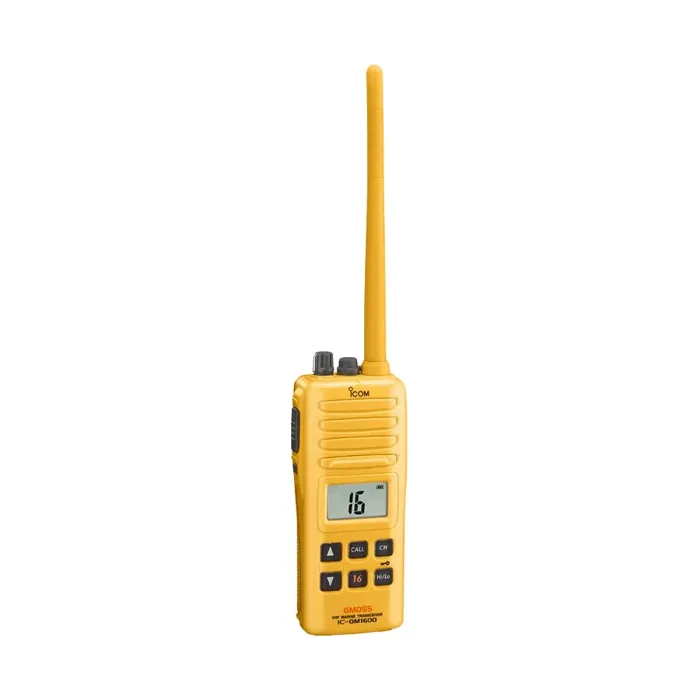
- Survival craft VHF handhelds and a SART or AIS-SART go into the liferaft. The handhelds keep the survivors in contact with rescue units on scene; the locating device puts a mark on a searching vessel's radar or AIS display at close range.
- Rescue units home in using a combination of the beacon's position and 121.5 MHz signal, the locating device, and voice contact on VHF as the search closes.
The complementary bits of coverage
The reason both are carried is that each covers the other's weakness. The EPIRB has effectively global coverage and needs no infrastructure near the vessel, but it is one-way: it cannot tell the rescue centre that four people are in a liferaft and one has a broken leg, and it cannot receive an acknowledgement. VHF is two-way and immediate, but only within the radio horizon, which for a liferaft antenna at sea level is a few miles at best. Between them they cover both the reach problem and the information problem.
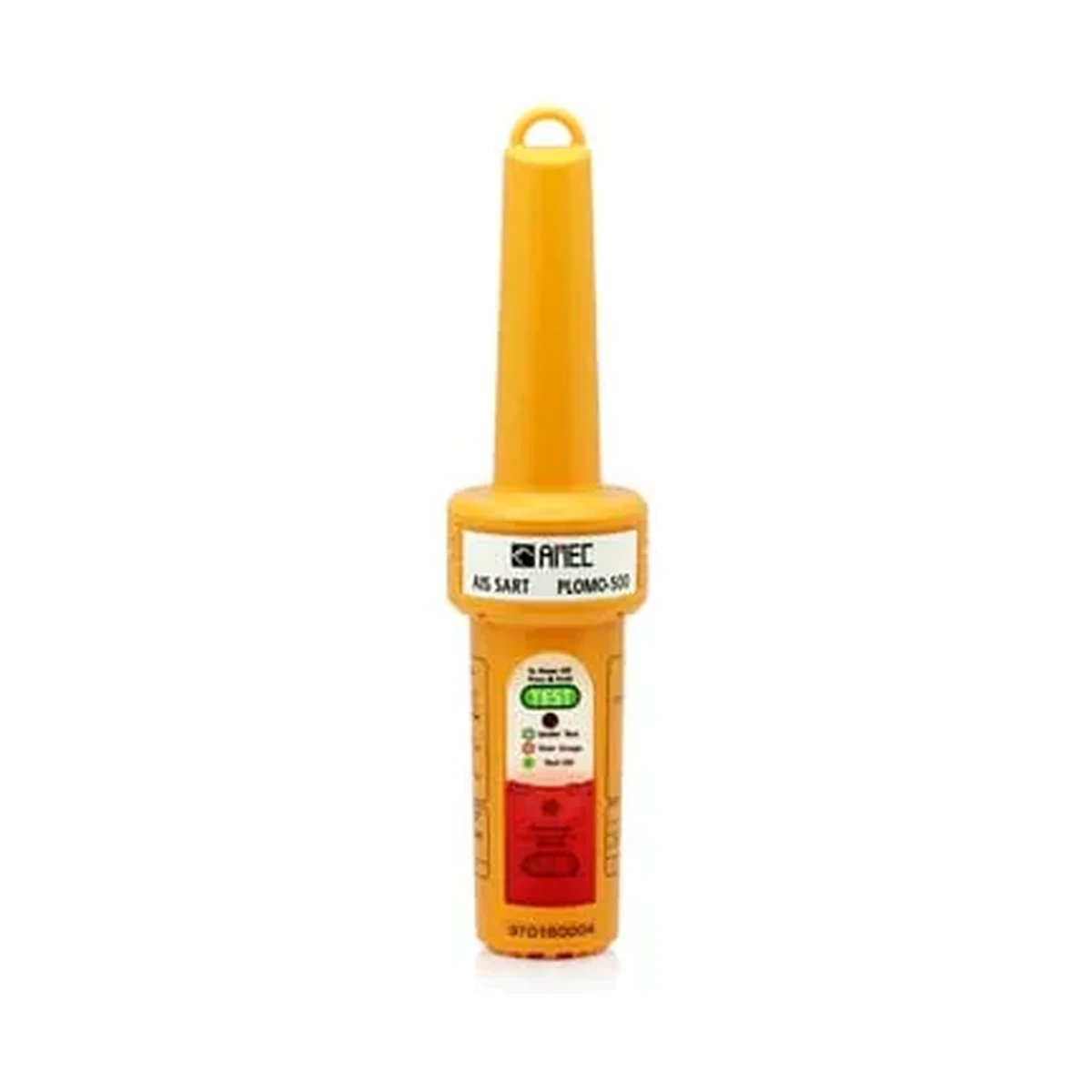
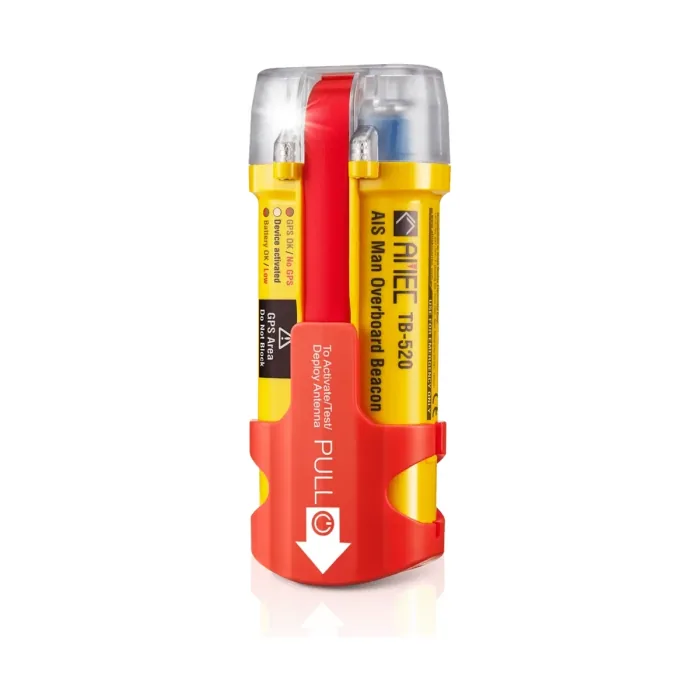
AIS devices sit alongside rather than replacing either. An AIS SART transmits its GNSS position into the AIS picture of every AIS-equipped vessel in range, which puts a labelled mark on a bridge display instead of an unidentified radar return. An AIS man overboard beacon does the same job for a single person in the water. Both are short-range, VHF-based devices, and neither alerts a rescue centre ashore on its own.
Keeping the chain intact
The equipment only works as a chain, and the weak links are predictable. Beacon and radio registrations go stale when a vessel changes owner or name. Beacon batteries and hydrostatic release units have expiry dates that are easy to miss between surveys. Float-free mountings get obstructed by gear stowed over them. VHF sets lose their position feed when an unrelated instrument is rewired, and nobody notices until a DSC test call. A short pre-departure routine that checks registration, battery dates, mounting clearance and the position display on the VHF catches most of it.
ASPL supplies GMDSS equipment, AIS SARTs, AIS MOB beacons and marine VHF, and interfaces and commissions them as part of a bridge fit rather than leaving the position feeds and NMEA connections to chance.