
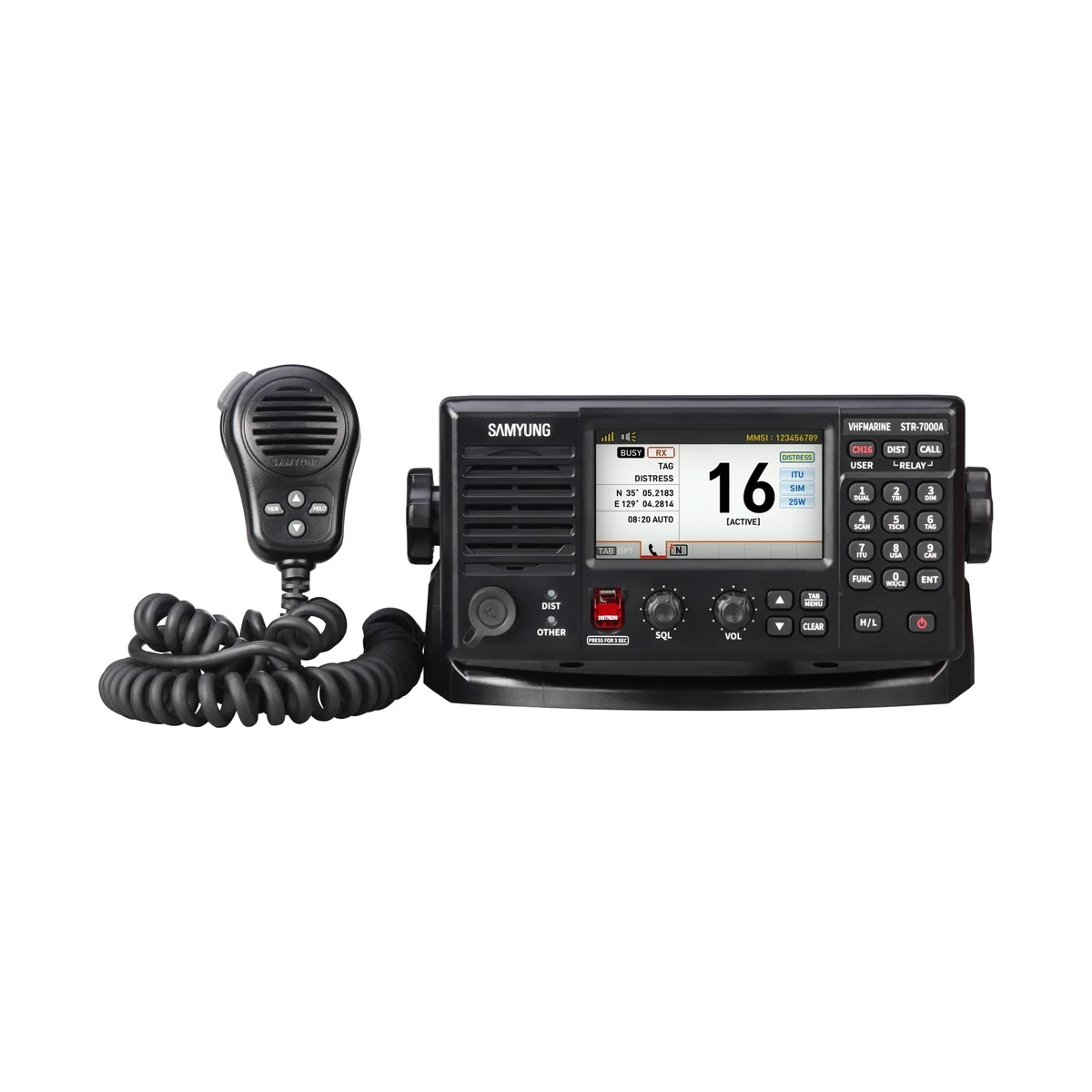
Beyond the MMSI
An earlier article in this catalogue's AIS content covers how an Indian vessel obtains an MMSI, the nine-digit identity carried in AIS and DSC transmissions, through the ship registration process and a Maritime Mobile Station Licence from the WPC Wing. That MMSI is one specific piece of a broader Ship Radio Station Licence requirement, and it is worth understanding what the fuller licence actually covers beyond the identity number itself.
What a Ship Radio Station Licence authorises
The licence, issued through the WPC Wing's regional licensing offices via the Saral Sanchar portal, authorises the vessel's entire radio installation to transmit, listing the specific equipment fitted, its frequencies and its operational parameters. This is not a blanket authorisation to operate any radio equipment subsequently added to the vessel; equipment changes, additions or replacements generally need to be reflected in the licence, which is why keeping the licence current against the vessel's actual fitted equipment matters beyond the point of initial issue.
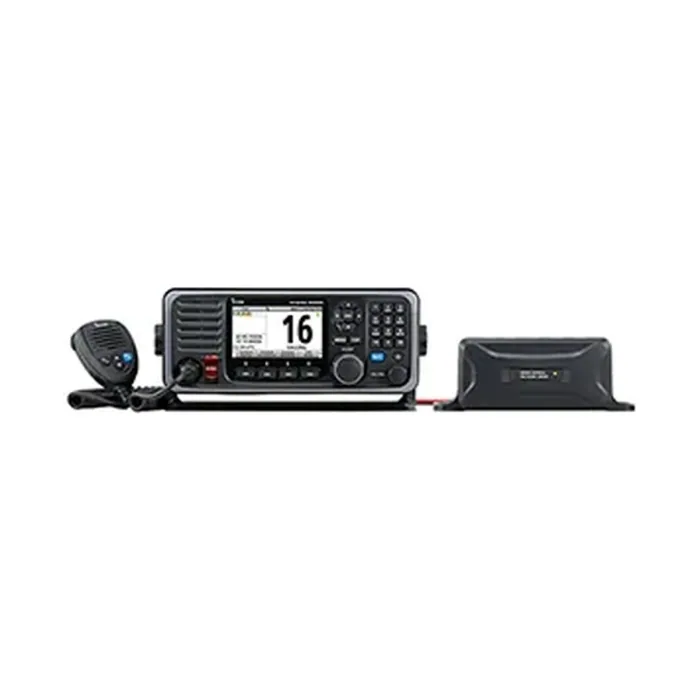
DG Shipping's role alongside WPC
Where WPC licenses the radio spectrum use itself, the Directorate General of Shipping's role covers the vessel's compliance with SOLAS and the applicable Merchant Shipping Rules, including survey and certification of the vessel's GMDSS fit-out against its certified sea area, covered in more depth elsewhere in this series. These are related but administratively distinct processes: WPC licensing authorises the radio transmission; DG Shipping survey and certification confirms the equipment and its fit-out meet the safety carriage requirements. A vessel needs both in place, not one in place of the other.
What documentation this typically involves
- Vessel registration and identity documents establishing the ship's Indian registry.
- A list of the radio equipment actually fitted, including make, model and type approval status for each item.
- The MMSI and call sign allotment, obtained through the ship registry process.
- Evidence of the vessel's DG Shipping safety radio certificate, confirming its equipment meets the carriage requirement for its certified sea area.
- Application through the Saral Sanchar portal for the Ship Radio Station Licence itself, with the supporting documentation above.
Why this matters at the point of equipment procurement
Specifying and fitting GMDSS equipment without reference to how it will be reflected in the vessel's Ship Radio Station Licence risks a mismatch between what is physically installed and what the licence actually authorises, a gap that surfaces at survey or inspection rather than at the point it could have been avoided. Coordinating equipment procurement with the licensing update, rather than treating them as sequential and unrelated steps, keeps the vessel's paperwork matched to its actual installation throughout.
Keeping the licence current
- Update the licence whenever GMDSS or other radio equipment is added, replaced or removed, rather than only at scheduled renewal.
- Keep type approval documentation for each piece of fitted equipment on file and accessible for both WPC licensing and DG Shipping survey purposes.
- Confirm licence validity and renewal timing well ahead of expiry, since requirements and fees are set and periodically revised by WPC and should be confirmed directly rather than assumed from a fixed summary.
ASPL supplies GMDSS and marine radio equipment meeting current type approval requirements for commercial vessels in India, and can provide the equipment documentation a Ship Radio Station Licence application or update requires; the licence itself is issued directly by WPC to the vessel owner.