DSC as the alerting layer of GMDSS
Digital Selective Calling, DSC, is the automated alerting protocol underlying most of GMDSS's distress and safety communication: a vessel in distress sends a DSC alert containing its identity and position over VHF, MF or HF, and any DSC-equipped station in range can receive and relay it without a human operator having to be listening on a voice channel at the moment of the emergency. Equipment implementing DSC is certified to a specific class, and the class determines exactly what distress, urgency and safety functions it must correctly support.
Class A: the SOLAS-compliant standard
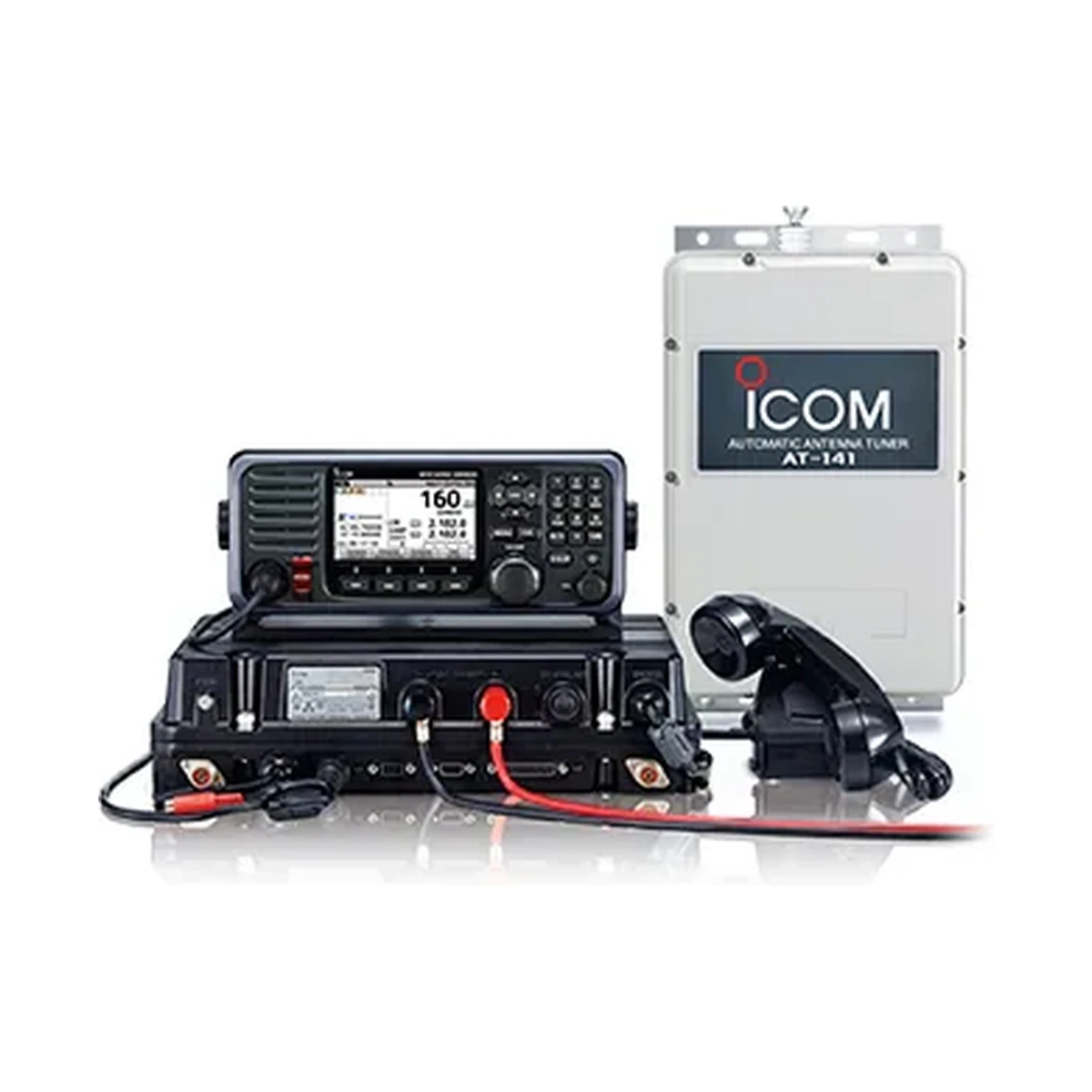
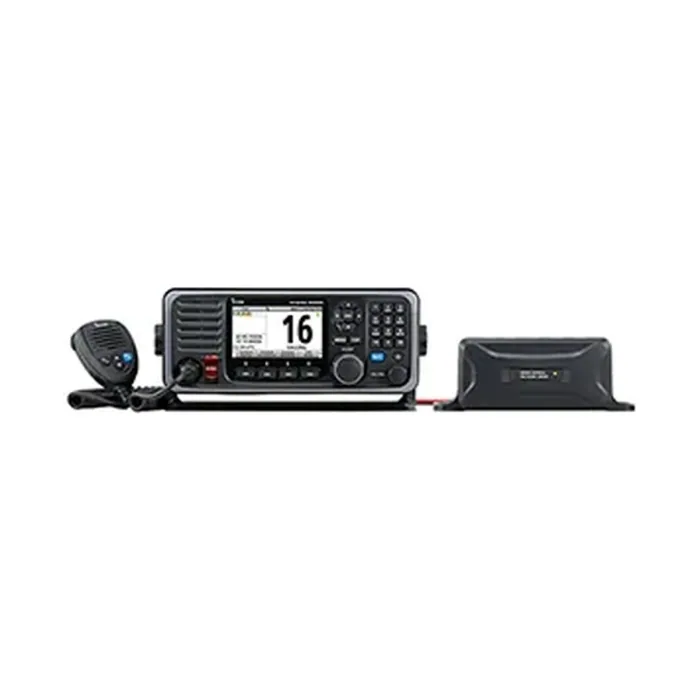
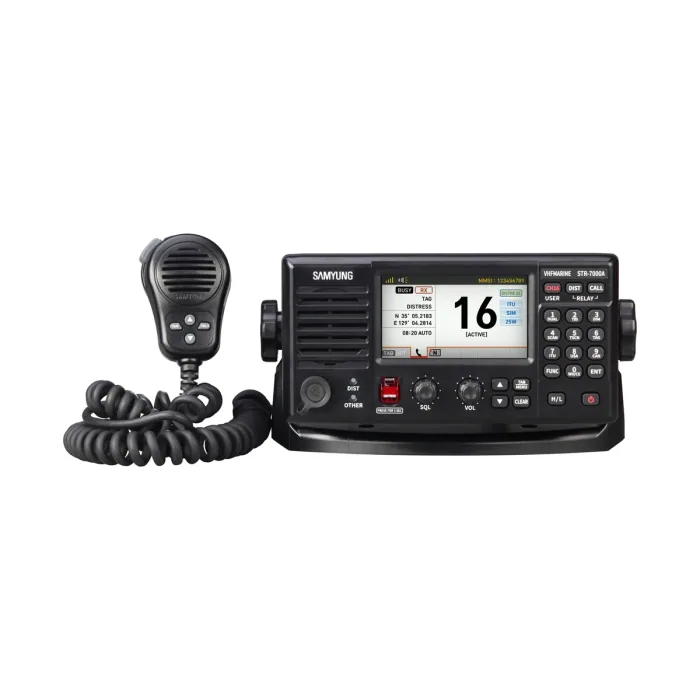
Class A DSC is the classification required for GMDSS equipment carried under SOLAS carriage requirements, defined against ITU-R M.493, the international recommendation governing DSC equipment. The Icom GM600 is specified with Class A DSC meeting ITU-R M.493-13, and the Samyung STR-7000A similarly operates Class A DSC to ITU-R M.493-14, the more recent revision of the same recommendation. Class A equipment is built to handle the full range of distress, urgency, safety and routine DSC calling that SOLAS-regulated commercial vessels are expected to send and receive.
Class E: a lighter specification
Class E is a less comprehensive DSC classification, historically found on some MF/HF equipment aimed at recreational and smaller commercial use rather than full SOLAS carriage compliance. The Icom IC-M802, now discontinued by the manufacturer but still relevant as context, was built with Class E DSC. A radio's DSC class is not a matter of preference; a vessel subject to SOLAS GMDSS carriage requirements needs Class A equipment specifically, and a Class E radio, whatever its other capabilities, does not satisfy that requirement.
Why the distinction is easy to miss
From a user's perspective, sending and receiving a routine DSC call can look broadly similar regardless of class, which is precisely why the classification is worth checking explicitly on a spec sheet rather than assumed from general capability. A radio's overall build quality, output power or feature list says nothing about its DSC class, and a well-specified MF/HF transceiver with an impressive general feature set is not automatically Class A compliant.
Confirming what your vessel needs
- If the vessel is subject to SOLAS GMDSS carriage requirements, at any of the sea areas covered in the dedicated A1-A4 article elsewhere in this series, Class A DSC equipment is the requirement, without exception.
- Check the DSC class explicitly on the equipment's specification, referencing the specific ITU-R M.493 revision it is certified against, rather than assuming class from the equipment's general market positioning.
- A vessel not subject to mandatory SOLAS carriage may have more flexibility, but confirming the actual applicable requirement with a classification society or DG Shipping surveyor remains the safer starting point than assuming a lighter specification is acceptable.
- Where older equipment is already fitted, confirm its DSC class against current requirements before assuming it remains compliant, since equipment specified years ago may predate a later ITU-R M.493 revision.
ASPL supplies Class A DSC GMDSS equipment meeting current ITU-R M.493 revisions for commercial vessels in India, and can confirm the specific classification of any unit before it is specified for a SOLAS-regulated fit.