
A different buying decision than an owner-pilot's
Most headset comparisons implicitly assume a single owner buying one headset for their own long-term use. A flight school buying headsets for a training fleet, or a student choosing a personal headset for training, is making a somewhat different decision, one where durability, cost of loss or damage, and consistency across many different users matter alongside comfort and features.
The case for the David Clark H10-13.4 in training
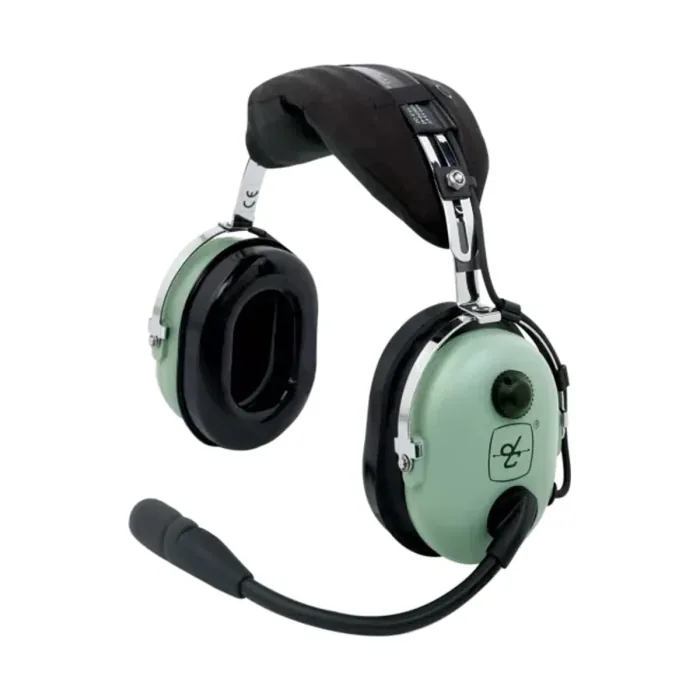
The H10-13.4's passive design has no battery to manage, no electronics to fail, and a construction history built specifically around the kind of heavy, repeated use a training fleet subjects equipment to. At a materially lower price than a premium ANR headset, a school can equip more aircraft, or absorb the inevitable loss or damage that comes with equipment handled by many different students, without the same financial exposure. Its certified 23 dB NRR provides genuinely effective hearing protection, which is the primary safety function a headset serves regardless of ANR, and its dual GA plug configuration matches the overwhelming majority of the training fleet it will be used in.
The case for the Bose A30 in training
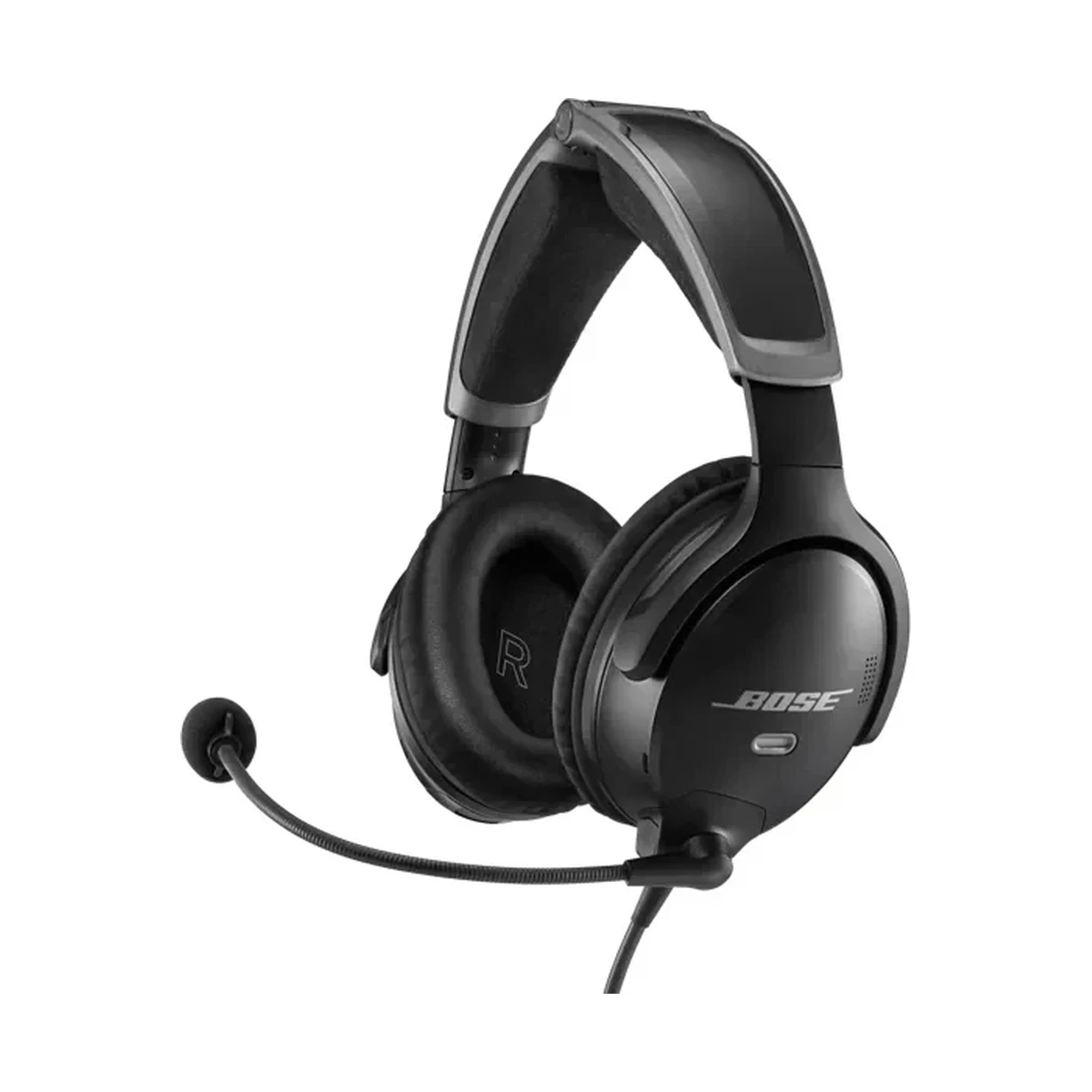
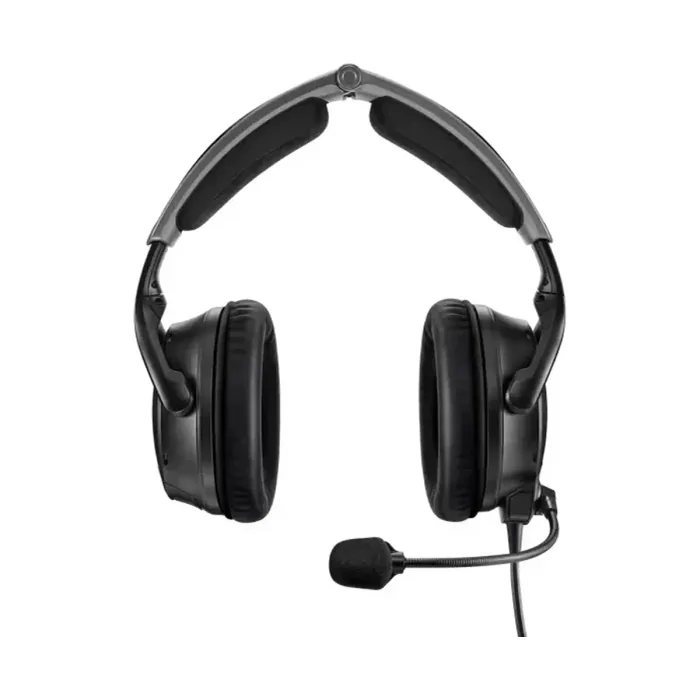
Student fatigue over a long training day, particularly during intensive courses with multiple flights, is a real factor in learning quality, and ANR's low-frequency noise reduction genuinely reduces that fatigue in a way passive attenuation does not match. The A30's three selectable ANR modes let a student or instructor adjust the level of cancellation to preference, and its Bluetooth connectivity to a phone or EFB has genuine training value where students are learning to use an EFB alongside flying, letting audio alerts reach the student directly rather than depending on them watching a screen. Where a school markets itself on training quality and student experience, equipping with a premium ANR headset is a defensible investment rather than an indulgence.
The financial reality
A school buying a full fleet's worth of headsets faces a genuinely different cost equation than an individual buying one. The price gap between an H10-13.4 and an A30, multiplied across a dozen or more headsets, plus the higher likelihood of loss, damage or replacement in a training environment compared to a careful owner-pilot's personal equipment, is a real consideration that individual buyer comparisons elsewhere in this series do not have to weigh in the same way.
A middle path worth considering
- Equip primary training aircraft with passive David Clark headsets for cost and durability, reserving premium ANR headsets for specific use cases such as longer cross-country training flights where fatigue genuinely matters more.
- Encourage students to purchase their own headset, often an ANR unit they will continue using after training, while the school's shared fleet headsets remain passive for cost reasons.
- For schools marketing a premium training experience specifically, standardising on ANR across the fleet is a legitimate differentiator, provided the cost is built into the pricing model rather than absorbed as an unplanned expense.
ASPL supplies both the Bose A30 and the David Clark H10-13.4 in the volumes a flight school needs, and can work through fleet-level pricing and the durability trade-offs specific to a training operation rather than a single-owner purchase.