
What Bluetooth actually connects to
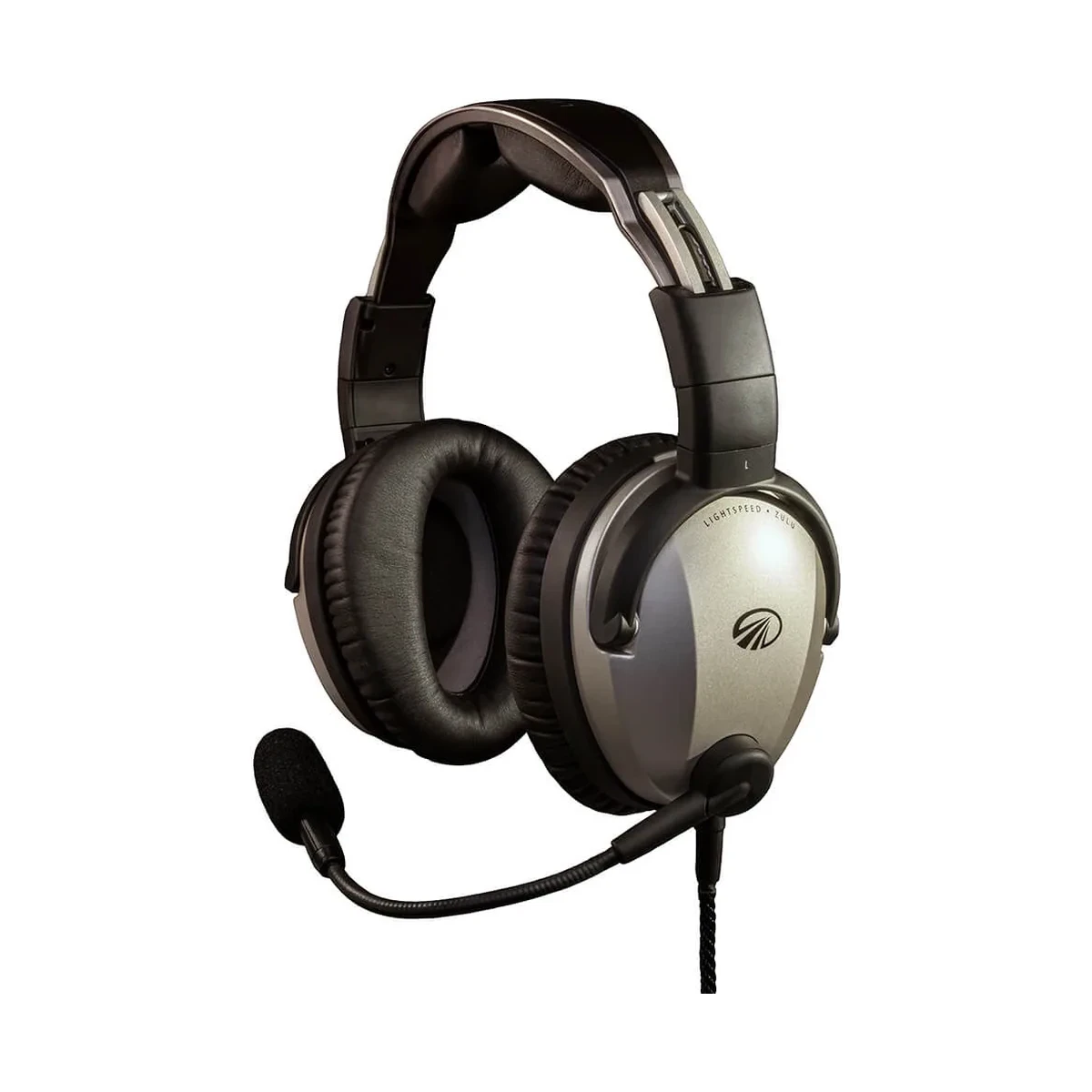
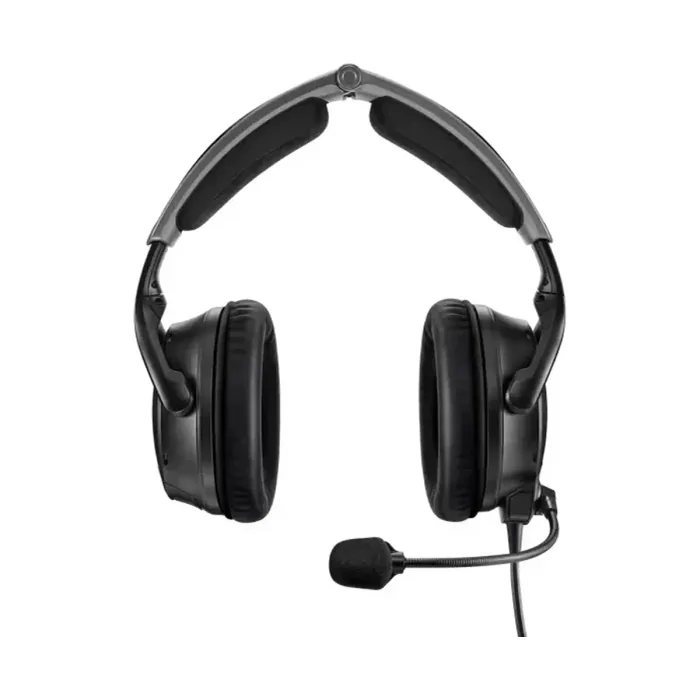
Bluetooth on a modern ANR headset such as the Bose A30, Lightspeed Zulu 3 or Lightspeed Zulu 4 exists to bridge the headset to devices already in the cockpit, not primarily to play entertainment audio during flight. The Bose A30 provides wireless audio to EFBs and phones. The Zulu 3 offers full Bluetooth integration for calls, music and aviation app audio alerts. In practice, the two most operationally relevant uses are phone calls, useful on the ground before or after a flight, and EFB audio alerts, where an app such as Garmin Pilot can deliver traffic or terrain warnings directly into the pilot's ear over the headset rather than relying on the pilot to be looking at the screen at the right moment.
Why EFB audio alerts matter more than they sound
A visual traffic alert on a tablet screen is only useful if the pilot happens to be looking at the tablet when it appears. An audio alert delivered through the headset the pilot is already wearing removes that dependency entirely, which is precisely why Bluetooth-paired EFB audio is treated as a meaningful safety feature rather than a convenience add-on. This becomes particularly relevant when the headset is paired to an ADS-B In receiver feeding traffic data to the EFB app, since the traffic picture is only as useful as the pilot's ability to notice a new alert promptly.
Why dual Bluetooth is worth understanding
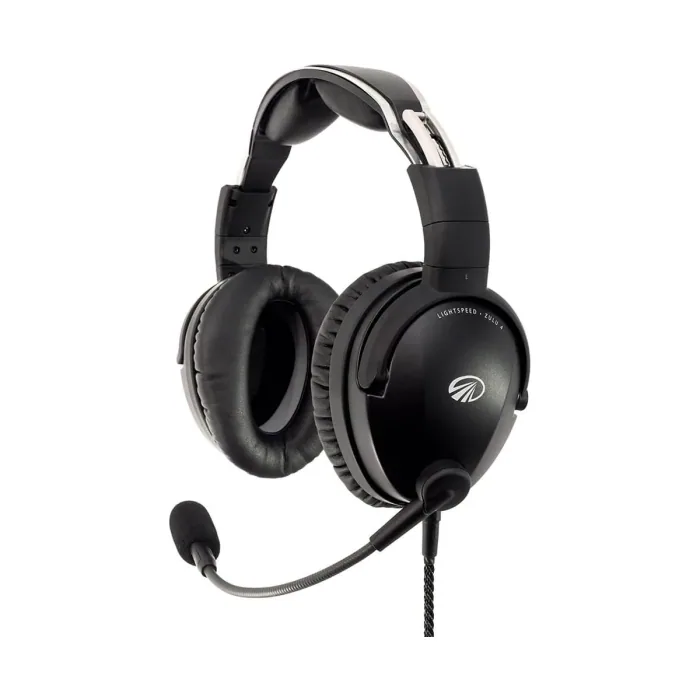
The Zulu 4's dual Bluetooth capability solves a specific, common frustration: a single-Bluetooth headset can only stay paired to one device at a time, which forces a pilot to choose between, for example, a phone for ground communication and a tablet running the EFB, disconnecting one to use the other. Dual Bluetooth keeps both connected simultaneously, so an incoming call does not require breaking the EFB audio link, and vice versa. For a pilot who genuinely uses both a phone and a tablet in the cockpit, this is a meaningfully different day-to-day experience from single-device Bluetooth, not a marginal spec.
What Bluetooth does not replace
None of this touches the aircraft's own intercom and radio audio, which reaches the headset through the standard wired plug connection, dual GA, LEMO or U-174 depending on the aircraft, regardless of whether Bluetooth is paired to anything. Bluetooth audio and aircraft radio audio are mixed together in the headset rather than one replacing the other, and a headset with no Bluetooth device paired at all functions identically to one with no Bluetooth capability whatsoever for the purposes of hearing ATC and the intercom.
Setting it up sensibly
- Pair the headset to the EFB tablet primarily for audio alerts, since this is the highest-value use in flight, not the entertainment case.
- If Bluetooth is used for a phone call on the ground, confirm it is disconnected or appropriately managed before departure, since inbound calls mid-flight are a distraction most operations should avoid regardless of what the hardware permits.
- If you regularly run two Bluetooth-connected devices in the cockpit, weigh the Zulu 4's dual Bluetooth specifically against single-Bluetooth alternatives before buying.
- Music streaming in flight, where the headset supports it, should be weighed against your own operation's sterile-cockpit and distraction policies rather than treated as a default use.
ASPL supplies the Bluetooth-equipped headset range from Bose and Lightspeed, and can advise on pairing them sensibly with the EFB and ADS-B equipment already covered elsewhere in this content.