
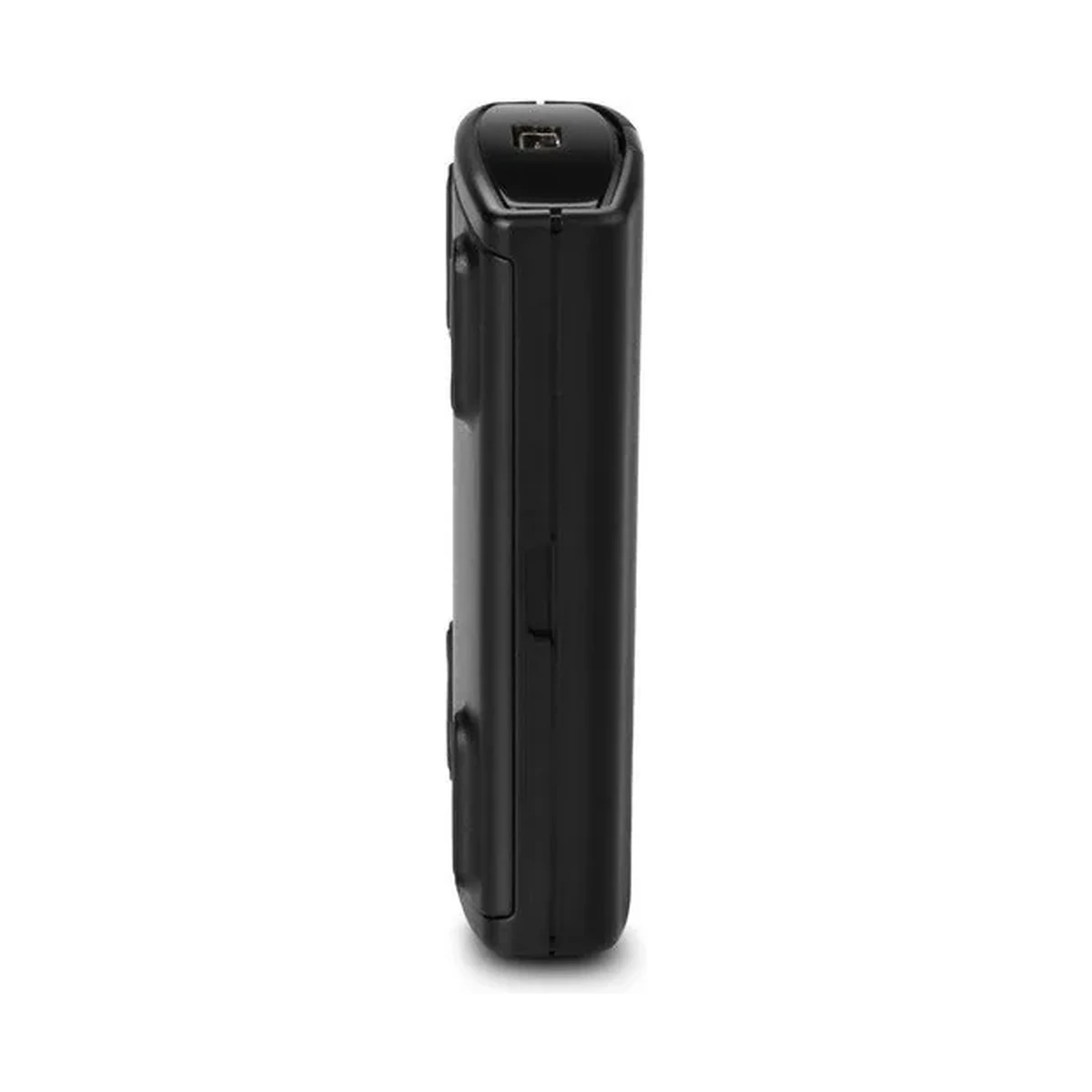
The figure on the spec sheet
The Garmin GLO 2 is specified to 3 metres of accuracy. That single number is a statistical statement, not a guarantee: it describes the typical, or root-mean-square, horizontal position error under good operating conditions with SBAS augmentation, in this case GAGAN over Indian airspace, applied. It is not a promise that every fix is within 3 metres of true position at all times, and understanding that distinction prevents the figure from being either over-trusted or dismissed.
What actually degrades the number in practice
Real-world accuracy is affected by satellite geometry, atmospheric conditions, multipath interference from nearby terrain or structures, and antenna placement and view of the sky. A receiver flying with a clear view of the sky and good satellite geometry will typically perform at or better than its specified figure. The same receiver operating with a partially obstructed antenna, in poor geometry, or without a valid SBAS correction available, will perform worse, sometimes considerably so, without any fault in the hardware itself.
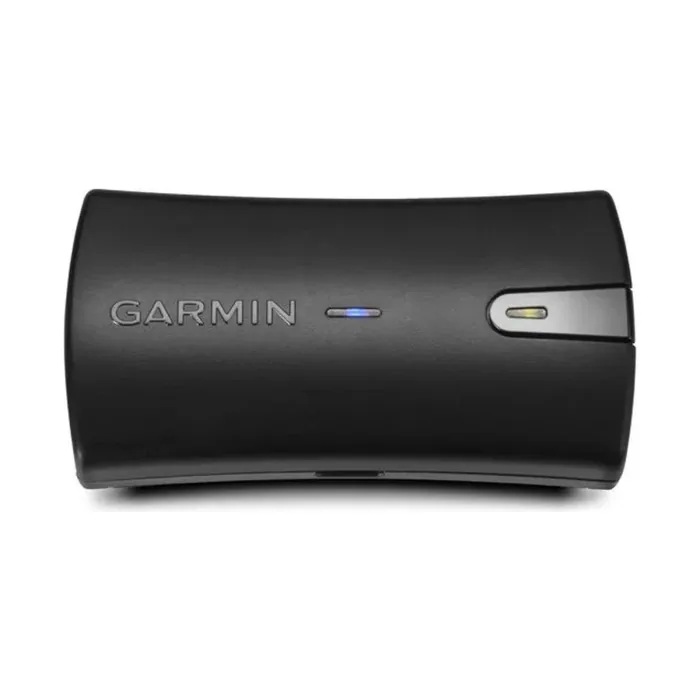
Why SBAS is the figure's real foundation
Unaugmented GPS, without WAAS, EGNOS or GAGAN correction applied, is typically accurate to somewhere in the range of several metres horizontally and considerably worse vertically, sufficient for most VFR navigation but not for the tighter tolerances instrument approaches demand. The 3-metre figure quoted for SBAS-capable receivers like the GLO 2 reflects the correction data broadcast by systems such as GAGAN being applied, not the underlying GPS constellation alone. This is the same relationship covered in the GAGAN article elsewhere in this series: the accuracy figure and the augmentation system are not separable.
What matters more than the number for most VFR flying
For the great majority of VFR navigation, the difference between a receiver accurate to 3 metres and one accurate to 10 metres is not something a pilot experiences as a meaningful difference at the scale a moving map is displayed. What is far more noticeable, and covered in more depth in the GLO 2 article elsewhere in this series, is update rate: a 10 Hz receiver tracking smoothly through a turn is a more obvious improvement in day-to-day flying than a few extra metres of positional precision most pilots will never directly perceive.
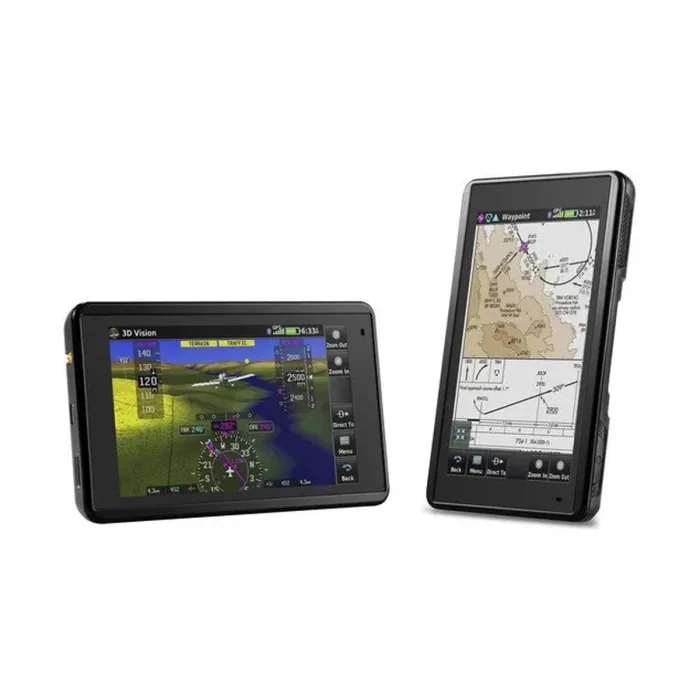
Where accuracy genuinely does matter
The exception is precision and non-precision instrument approaches, where GAGAN's stated performance levels, RNP-0.1 for non-precision approaches and APV-1.0 for precision approaches over the Indian landmass, translate directly into which approach minimums an aircraft can legally fly to. This is squarely a certified-avionics question rather than a portable-GPS one; a portable unit's accuracy figure describes its own performance and does not, on its own, confer approach capability the aircraft's certified equipment does not already have.
Reading a spec sheet sensibly
- Treat an accuracy figure as a typical, best-case number under good conditions, not a fixed guarantee.
- Confirm the receiver supports SBAS at all, since that determines whether the accuracy figure is achievable in the first place.
- For VFR flying, weigh update rate and reliability of fix at least as heavily as the accuracy figure itself.
- For anything approach-related, rely on certified avionics and published approach minimums, not a portable receiver's spec sheet.
ASPL supplies the GLO 2 and the broader Garmin portable GPS range in India, and can advise on which specification actually matters for a given aircraft and mission before you buy on the strength of one number alone.