
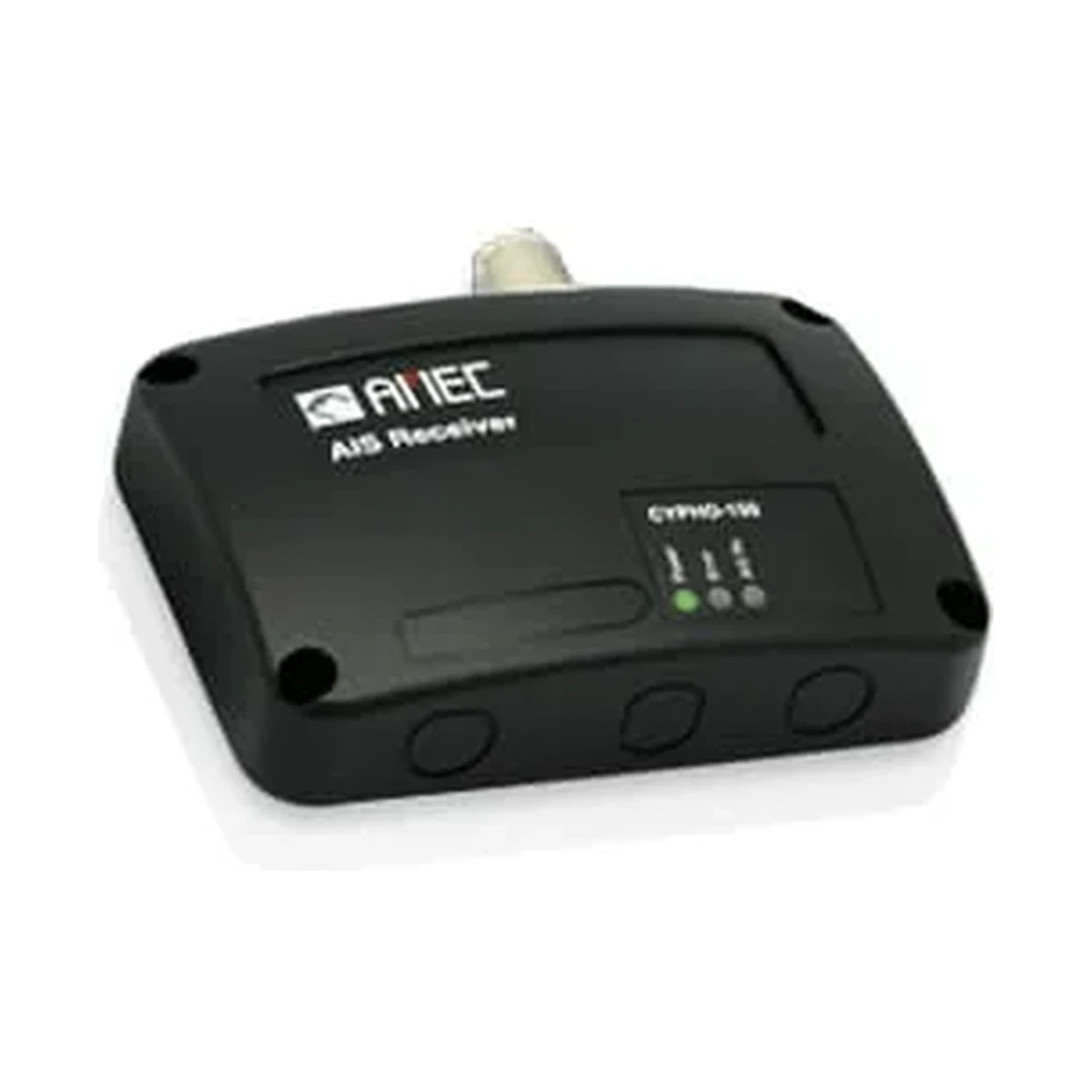
AIS equipment splits into two kinds of device, and the distinction is simple enough to state in one sentence. A transponder transmits your own vessel's position and identity as well as receiving other vessels' transmissions, so you see them and they see you. A receiver only listens, so you see them and they do not see you. Everything else about the choice follows from that.
What being visible actually buys you
On a receiver-only installation you get a target plot on your chartplotter or PC: the names, positions, courses and speeds of AIS-equipped traffic within VHF range, typically out to a few tens of nautical miles depending on antenna height. That is genuinely useful for collision avoidance, because it tells you what a radar echo alone cannot, namely who the vessel is and where it is heading.
What it does not do is put you on anyone else's screen. A large ship keeping a watch on AIS targets will not have you among them, and if the visibility is poor or your radar signature is small, that matters. It also means shore stations, VTS and coastal authorities have no record of your movements, which is exactly the effect some owners want and exactly the effect others need to avoid. A transponder reverses all of that, at the cost of a higher purchase price, a slightly more involved installation and an MMSI that has to be correctly obtained and programmed.
Where a receiver is the right answer
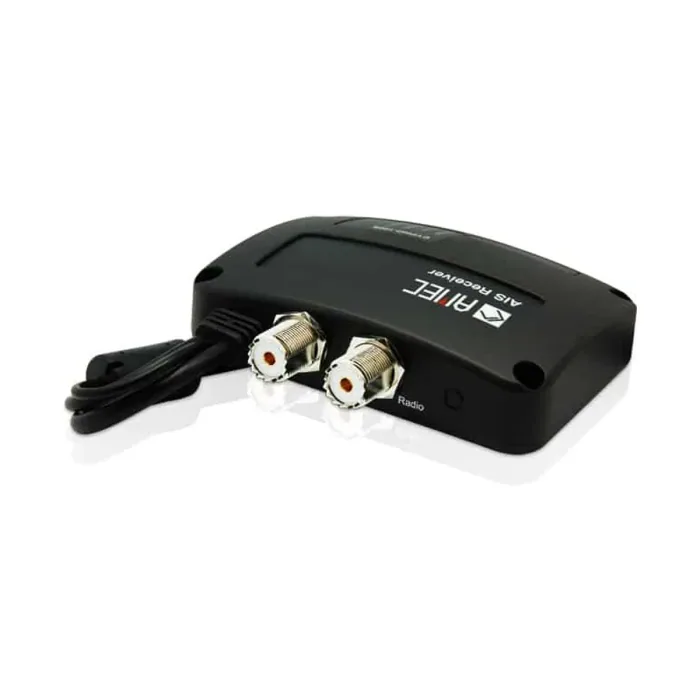
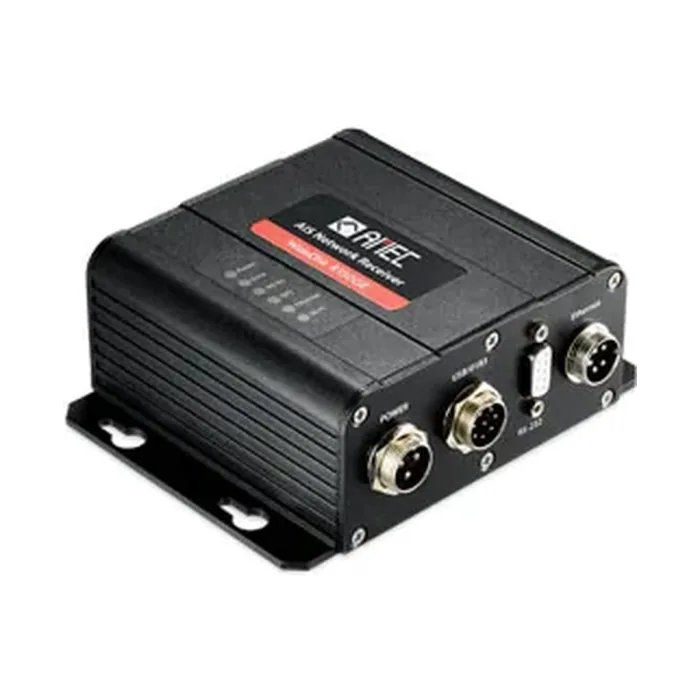
Receiver-only units earn their place in a few clear cases. On a small leisure boat under no carriage requirement, where the aim is situational awareness rather than being tracked, a receiver does the job for a fraction of the outlay. On a shore installation, a monitoring station, a harbour office, a training room or a research setup, there is nothing to transmit in the first place, and the requirement is simply to take in AIS traffic and feed it to software. The AMEC R150GE WideLink is built for that kind of fixed monitoring work, with two NMEA 0183 ports, RS-232, USB and a 10/100 Ethernet port so several systems can be fed at once. On a vessel that already carries a Class A transponder, a second, independent receiver is sometimes added to drive a separate PC display without touching the certified installation.
Choosing a receiver
Any receiver worth fitting should be dual channel, monitoring both AIS frequencies simultaneously rather than alternating between them, since a single-channel unit will miss transmissions. The AMEC CYPHO-150 is a dual-channel unit with NMEA 0183 and USB output; the AMEC Cypho-150S is the same receiver with a VHF pass-through path added, so it can share one antenna with an existing VHF radio instead of needing its own. From Digital Yacht, the AIS100 Receiver (USB) is a plain dual-channel receiver for a PC, and the AIS100PRO adds an NMEA 0183 output alongside USB plus multiplexing, so it can merge a slower GPS feed with the high-speed AIS data onto a single 38,400 baud output for a chartplotter with only one input port.
Choosing a transponder
If you decide you need to be seen, the next question is Class A or Class B, and that is largely settled by whether the vessel falls under the SOLAS Chapter V carriage requirement. Vessels that do need a type-approved Class A unit such as the AMEC A750 or the Digital Yacht CLA2000. Vessels that do not can choose across the Class B range: the AMEC B620 for straightforward coastal work, the AMEC WideLink B650 or Digital Yacht iAISTX Plus where a 5 W SOTDMA transmission is wanted, or the AIB1000, a self-contained Class B transponder that runs from an internal battery for up to five days and needs no connection to the boat's electrical system at all, which suits small craft and tenders with no wiring to speak of.
Practical differences at installation
- Both need a VHF antenna, or a splitter to share the existing one.
- Only a transponder needs its own GNSS antenna. A Class B transponder must use its own internal GPS rather than an external position feed, so the supplied GPS antenna is not optional.
- Only a transponder needs an MMSI programmed into it, along with the vessel name, call sign and dimensions.
- A transponder draws current on every transmit burst, so it wants a properly rated, dedicated fused supply rather than a shared circuit.
If the vessel is under any carriage obligation, the receiver option is off the table regardless of cost, because a receiver does not discharge a requirement to transmit. Where there is no obligation, the honest test is whether you want other vessels and shore authorities to see you. If the answer is yes, buy a transponder.