
AIS beyond open-water shipping
Everything covered extensively in this catalogue's AIS content, SOLAS carriage requirements, Class A and Class B transponders, sea area frameworks, was built primarily around open-water commercial shipping, where vessels operate over genuinely large distances with correspondingly large separation and lower traffic density than a busy inland waterway. In 2025, ASPL implemented AIS-based tracking systems for passenger ferries on the Hooghly River for the West Bengal Inland Water Transport Department, extending AIS's application to a genuinely different operating environment: a busy, geographically constrained river system carrying frequent passenger ferry traffic.
Why river ferry tracking is a different problem from open-water AIS
A river system like the Hooghly involves considerably tighter navigational margins than open water, narrower channels, more frequent crossing traffic, closer vessel spacing and less room to manoeuvre around a developing situation. Passenger ferries operating on fixed schedules and routes create a specific tracking requirement, knowing exactly where each ferry is at any given time for both safety and operational management, that differs from the more general collision-avoidance purpose AIS serves in open-water shipping, covered in more depth in this catalogue's AIS content.
What AIS-based tracking adds for a passenger ferry operator
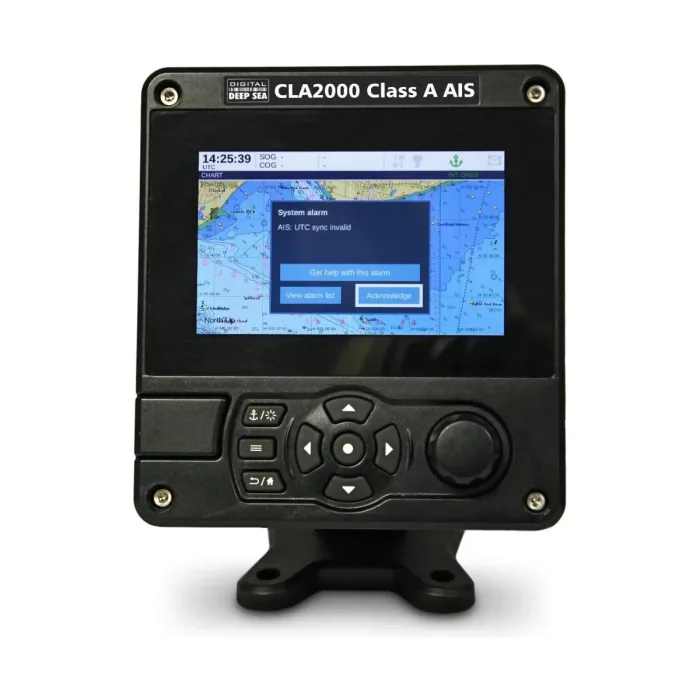
Beyond the safety case for any vessel carrying AIS, a passenger ferry operator gains genuine operational management value: real-time visibility into fleet position and schedule adherence, a documented safety record for regulatory and public accountability purposes, and, in an emergency, precise, immediate location information for search and rescue or incident response, all of which matter considerably more for scheduled passenger transport than for general cargo shipping.
Why a government inland water transport department specifically
The West Bengal Inland Water Transport Department's adoption of AIS tracking for its ferry fleet reflects a government transport authority applying maritime safety technology, more commonly associated with international commercial shipping, to a domestic public transport context, extending the practical safety and accountability benefits AIS provides to a passenger service used by the general public on a daily basis.
How this connects to ASPL's broader AIS work
This project draws on the same AIS transponder, antenna installation and NMEA interfacing expertise covered extensively elsewhere in this catalogue, applied to a fleet-wide, government-operated passenger ferry context rather than a single commercial vessel. It also connects to ASPL's broader government procurement and defence-and-government solution work, covered in this catalogue's GeM and regulatory content, as a state government department project.
What this represents for inland waterway and passenger vessel operators
- ASPL has direct, demonstrated experience applying AIS technology to inland waterway and passenger ferry operations, not only open-water commercial shipping.
- This work reflects genuine understanding of the operational, not just safety-mandate, value AIS tracking provides for a scheduled passenger transport fleet.
- Other state or regional inland water transport authorities considering similar fleet tracking have a specific, recent, relevant precedent to reference.
ASPL continues to supply and implement AIS tracking systems for both open-water commercial vessels and inland waterway passenger fleets, extending the capability demonstrated on the Hooghly River project into 2025 and beyond.