
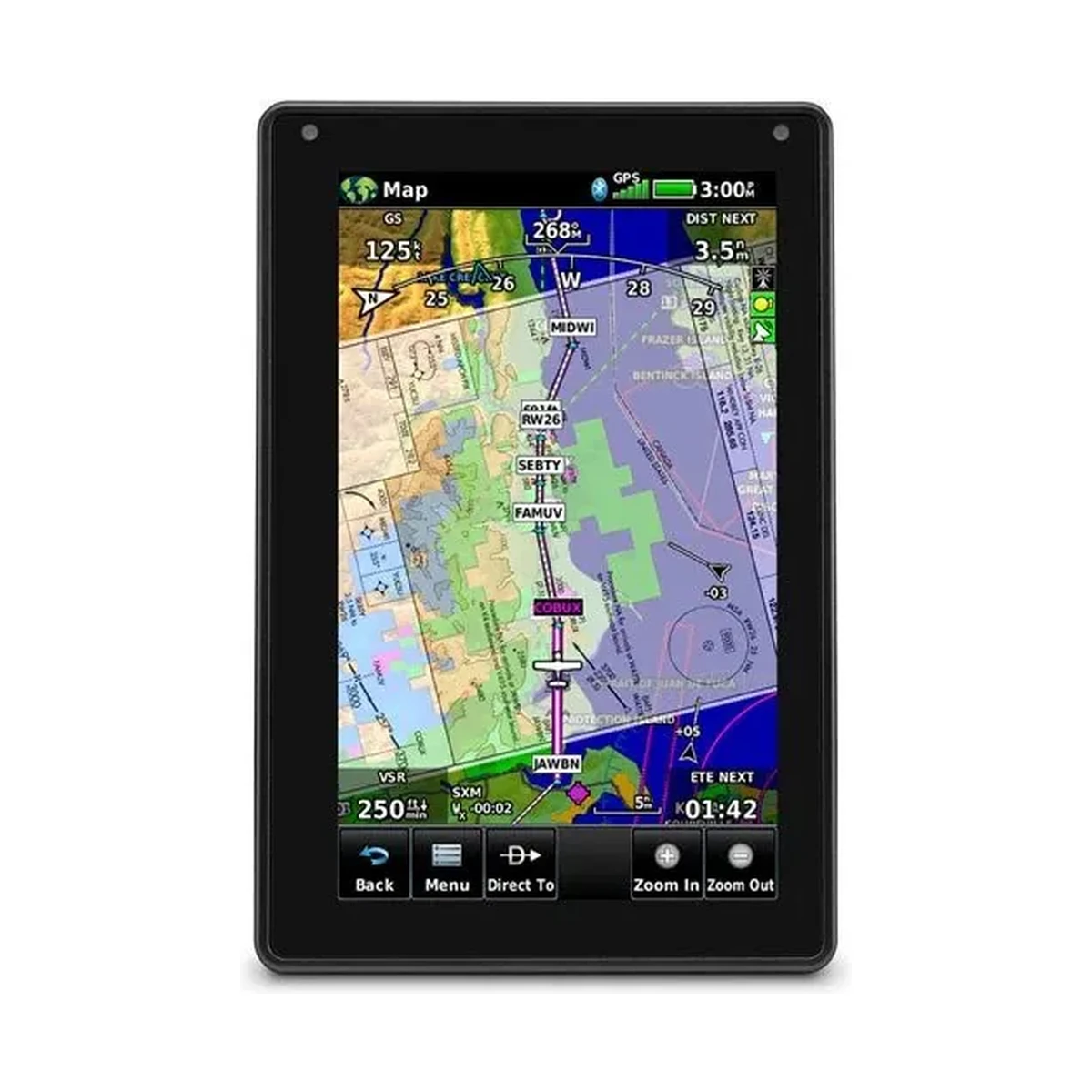
Garmin's aera line of portable aviation navigators exists to put dedicated, purpose-built navigation in the cockpit of an aircraft that has no panel-mount GPS, or as a backup to one that does. The Aera 660 and Aera 760 share the same basic concept, a sunlight-readable touchscreen running Garmin's aviation navigation software with a built-in GNSS receiver, but they are sized and specified for different roles in the cockpit.
Screen size and physical footprint
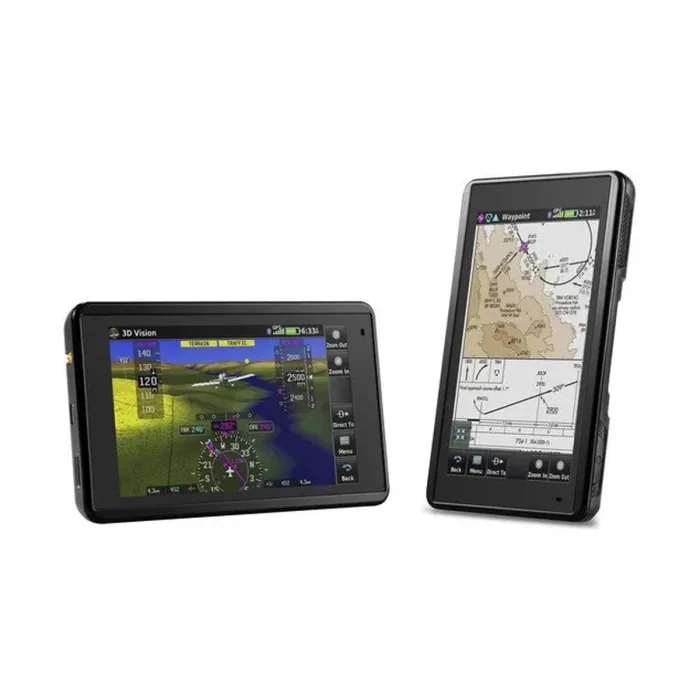
The Aera 660 carries a 5-inch diagonal display in a 5.5-inch by 3.4-inch by 0.8-inch housing weighing 8.64 ounces with its battery fitted. The Aera 760 steps up to a 7-inch diagonal display in a correspondingly larger 7.29-inch by 4.85-inch by 0.91-inch housing, weighing 19.8 ounces. Both use the same 480 by 800 pixel resolution WVGA touchscreen with a white backlight, so the larger unit is not sharper, it is simply bigger, with more physical space on the map and less need to zoom or pan to see the same information. In a compact cockpit or on a yoke mount, that extra size and weight is a real trade-off against the easier reading a 7-inch screen provides in cruise.
VFR versus VFR/IFR route data
This is the specification difference most likely to decide the choice for an instrument-rated pilot. The Aera 660 is specified for VFR route data. The Aera 760 is specified for VFR/IFR route data, meaning it supports instrument procedures, approaches and IFR-relevant navigation database content that the 660 does not. A pilot who only flies VFR has no functional reason to pay for that capability. A pilot who flies IFR, even as a backup to certified panel avionics, has a clear reason to prefer the 760.
Battery, power and connectivity
The Aera 660 is quoted at up to 4 hours during daytime use with wireless connectivity active, for example paired to a GTX 345 transponder, extending to up to 6 hours at night with reduced backlight and no wireless link running. The Aera 760 is quoted at up to 4 hours under similar daytime conditions and adds a USB-C connection in place of the older USB port, which is a practical convenience for charging cables already carried for other devices. Both accept microSD cards for expanded storage and both run from a 10 to 35 V aircraft supply when wired in rather than run on battery alone.
What stays the same
Both units use a high-sensitivity SBAS and GLONASS-capable GNSS receiver for WAAS-grade position accuracy, both are touchscreen operated with a single power button, and both support Traffic Information Service alerts where a compatible traffic source is present. Neither is a certified panel instrument; both are supplemental navigation tools, and the distinction between them is capability and screen real estate, not underlying technology.
Choosing between them
- VFR-only flying, weight and panel space at a premium: the Aera 660 covers the requirement without paying for capability that goes unused.
- IFR flying, or wanting a genuine backup to certified panel avionics: the Aera 760, for the VFR/IFR route data alone.
- Reading the map at a glance in cruise matters more than portability: the 760's 7-inch screen is the more comfortable instrument to fly with over a long sector.
- Mounting on a yoke in a tight cockpit: the 660's smaller footprint and lighter weight are easier to accommodate.
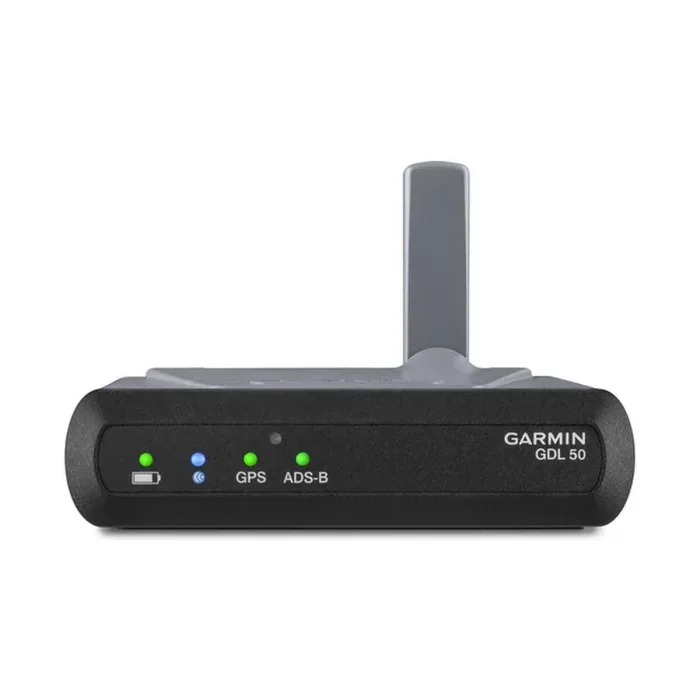
Either unit pairs with Garmin's wireless avionics, including ADS-B receivers, to bring traffic and weather onto the same screen as the moving map. ASPL supplies both the Aera 660 and Aera 760 in India, along with the accessories and database subscriptions that keep them current.