
Why pre-season inspection is cheaper than at-sea failure
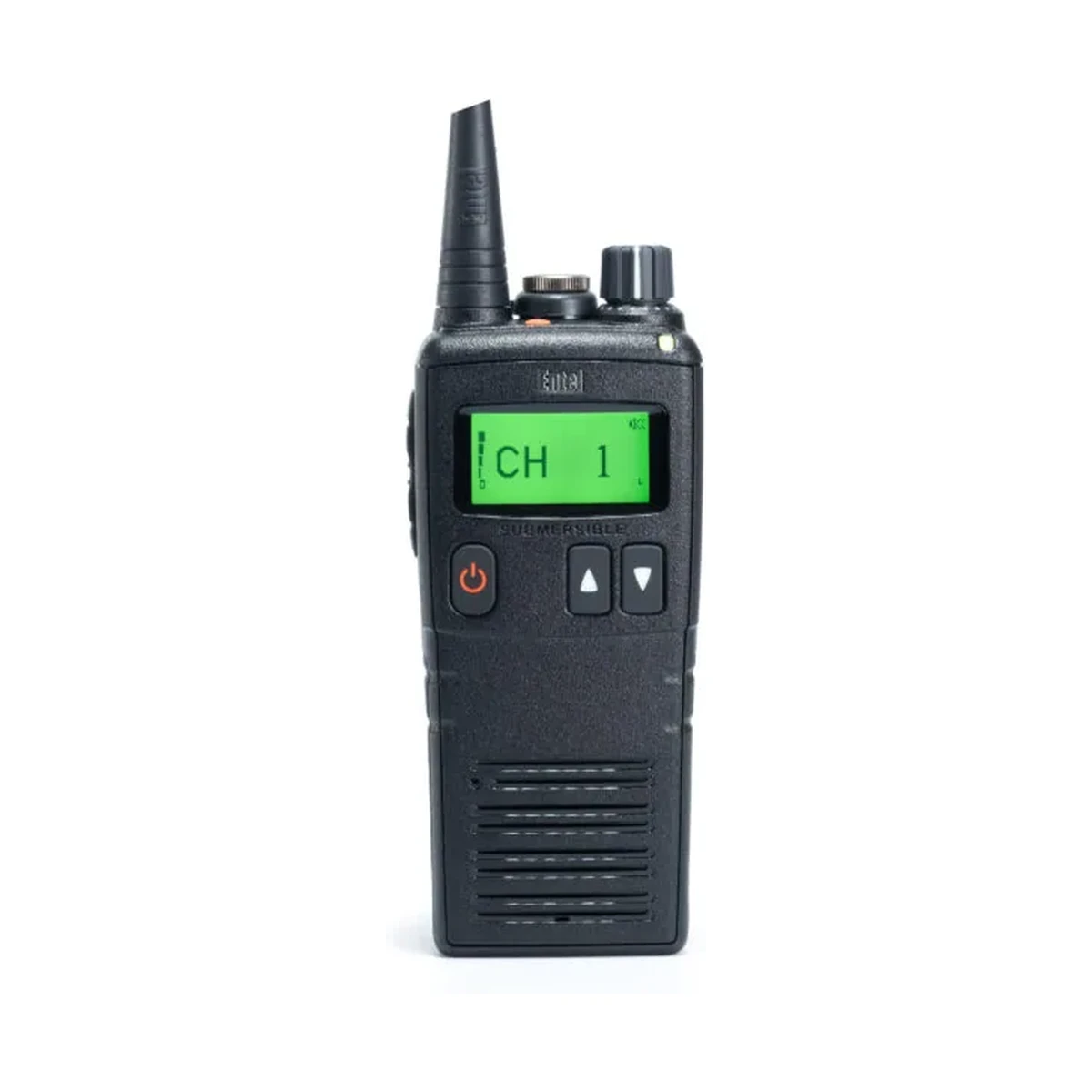
A radio, AIS transponder or GMDSS unit that fails at the dock is an inconvenience with an easy fix. The same failure discovered at sea, mid-season, is a lost fishing day at minimum and a genuine safety issue at worst. A structured pre-season checklist, run across the fleet before the season starts rather than reactively, catches most equipment problems while they are still cheap and easy to fix.
Batteries: the single most common failure point
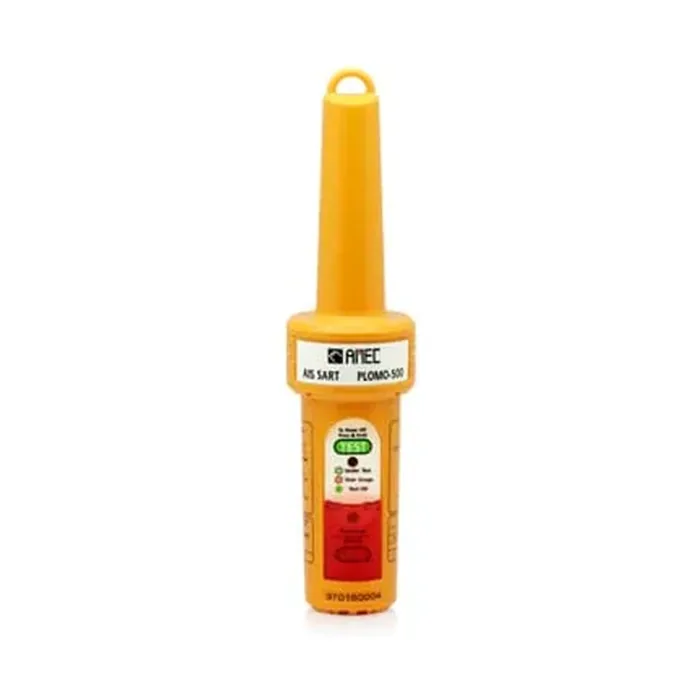
Battery condition on handheld VHF units, AIS SARTs, and any battery-powered survival equipment degrades over an off-season sitting idle, and a battery that reads as holding charge on a quick check can still fail well short of its rated endurance under actual use. Replace batteries on a fixed schedule tied to their rated service life rather than waiting for an obvious failure, particularly on safety-critical items such as AIS SARTs and survival craft radios, covered in more depth elsewhere in this catalogue's AIS and GMDSS content, where a battery failure has genuine safety consequences rather than merely operational inconvenience.
Antenna and cable inspection
Marine antennas and their coaxial feedlines are exposed to a full season of salt spray, UV and physical knocks, and connector corrosion or a degraded cable run can quietly reduce AIS and VHF range without any obvious symptom until performance is actually needed at the edge of range. A visual inspection of every antenna mount, connector and accessible cable run, alongside a basic transmission check where practical, catches the slow degradation that a season of use produces.
AIS and GMDSS static data
Confirm MMSI, vessel name and static data programmed into AIS transponders and DSC radios are still correct, particularly on any vessel that changed ownership, was renamed, or had equipment replaced or reprogrammed during the off-season, covered in more depth in this catalogue's MMSI article. Incorrect static data is invisible from the vessel's own bridge and only surfaces as a problem for whoever is receiving the transmission.
Database and firmware currency
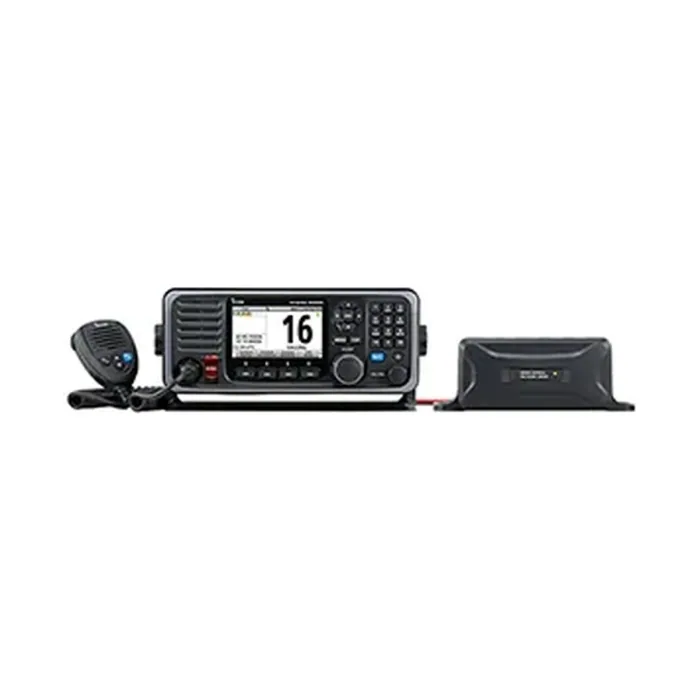
Where equipment carries updatable firmware or navigation data, confirm it is current before the season starts rather than discovering an outdated database mid-season, a check that costs little time against the pre-season inspection but avoids a genuinely avoidable gap once fishing is underway.
A practical pre-season checklist
- Replace or verify batteries on handheld VHF, AIS SARTs and survival craft radios against their rated service life, not just a quick charge-state check.
- Inspect every antenna, mount and accessible cable run for corrosion, physical damage or degraded connections.
- Confirm AIS and DSC static data, MMSI, vessel name and dimensions, is still correct, especially after any ownership change or equipment work.
- Update firmware and navigation databases where applicable before the season, not during it.
- Test transmit and receive on every safety-critical radio, not just power-on, since a unit that powers up correctly can still have a failed transmitter or receiver.
- Confirm licensing, MMSI registration and crew operator certification remain current for the coming season.
ASPL supplies replacement batteries, antennas and equipment across its AIS, GMDSS and land mobile ranges, and provides repair and servicing support through a nationwide collection network, so a fleet's pre-season checklist has somewhere to actually take equipment that fails inspection rather than discovering the problem with no clear next step.